


Does fungal external otitis affect daily life?
Nov 27, 2025
Source: Cainiu Health

Dr. Lu Cheng
Introduction
In general, whether otomycosis (fungal external otitis) affects daily life depends on the severity of the condition and whether timely treatment is received. To reduce fungal growth, it is important to keep the ear canal dry and clean; after bathing or swimming, promptly use a clean cotton swab to absorb moisture from the ear canal. Avoid frequent ear picking and do not share headphones or ear-cleaning tools with others.
Generally, whether otomycosis (fungal infection of the external auditory canal) affects daily life depends on the severity of the condition and whether timely treatment is received. The specific analysis is as follows:
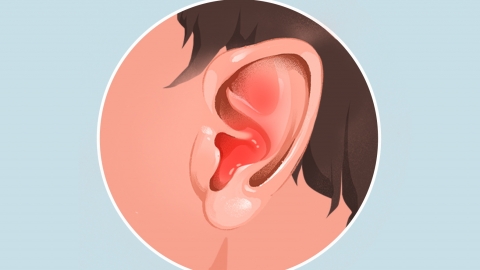
When otomycosis is mild and treated promptly, its impact on daily life is minimal. Symptoms in such cases are usually limited to mild ear itching and small amounts of white, cotton-like discharge, without significant ear pain or hearing loss. With proper antifungal treatment, the condition can be quickly controlled. During treatment, it is only necessary to temporarily avoid water exposure and refrain from digging the ears, which does not interfere with normal work or daily activities.
However, severe otomycosis or cases with delayed treatment can significantly affect daily life. As inflammation worsens, intense and unbearable ear itching occurs, accompanied by increased discharge that blocks the ear canal, leading to hearing impairment and a sensation of ear fullness. Some patients may develop ear pain or even headaches. Itching or pain at night can disrupt sleep. If the eardrum is damaged, hearing may be further impaired, causing difficulties in daily communication and routine activities.
To reduce fungal growth, keep the ear canal dry and clean. After bathing or swimming, promptly use a clean cotton swab to absorb moisture from the ear canal. Avoid frequent ear cleaning, and do not share headphones or ear-cleaning tools with others to prevent cross-infection. Maintain a light diet, reduce intake of spicy and irritating foods, and strengthen overall immunity to lower the risk of infection. Seek prompt medical attention and follow standardized treatment if symptoms such as ear itching or abnormal discharge occur, to prevent disease progression and worsening.


