


What causes small lumps behind the ear, and what should I do about them?
Nov 27, 2025
Source: Cainiu Health

Dr. Lu Cheng
Introduction
In general, the appearance of small lumps behind the ear may be caused by mosquito bites, local friction or irritation, sebaceous cysts, lymphadenitis, or folliculitis. Depending on the specific situation, patients can choose appropriate management methods such as conservative treatment, medication, or surgical intervention. The skin behind the ear is delicate; therefore, it is important to maintain cleanliness and proper ventilation daily, and avoid frequent touching or irritation.
Generally, the appearance of several small lumps behind the ears may be caused by mosquito bites, local friction or irritation, sebaceous cysts, lymphadenitis, or folliculitis. Depending on the specific situation, patients can choose appropriate management methods such as general care, medication, or surgical treatment. Detailed analysis is as follows:
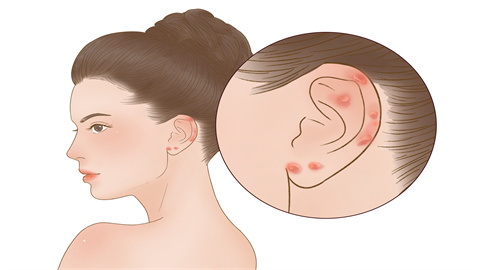
1. Mosquito bites
Mosquito saliva injected into the skin triggers a localized allergic reaction, resulting in raised itchy bumps. Clean the bite area with water and apply menthol ointment to relieve discomfort. Avoid scratching to prevent skin damage.
2. Local friction or irritation
Prolonged use of tight headphones or clothing collars that rub against the skin can cause reactive tissue swelling and small lumps. Switch to looser-fitting headphones and wear soft, gentle fabrics to reduce friction. Keep the area clean and dry.
3. Sebaceous cyst
When sebaceous gland ducts become blocked, secretions accumulate and form a firm, cystic lump. If there is no infection, observation may be sufficient. In case of infection, follow medical advice to take antibiotics such as cefradine capsules, amoxicillin capsules, or roxithromycin capsules. After inflammation is controlled, surgical removal of the cyst may be performed.
4. Lymphadenitis
Infections in the head or face can spread to the lymph nodes behind the ear, causing swollen and painful lymph nodes. Under medical guidance, medications such as cefixime dispersible tablets, metronidazole tablets, or doxycycline hydrochloride tablets may be prescribed. Treat the original infection site simultaneously and maintain a light, easily digestible diet.
5. Folliculitis
Bacterial infection of hair follicles behind the ear leads to red, inflamed bumps accompanied by pain. Follow medical advice to apply topical mupirocin ointment or fusidic acid cream, and take oral cefuroxime axetil tablets. Avoid squeezing the bumps to prevent spreading the infection.
The skin behind the ears is delicate; therefore, daily care should focus on keeping the area clean and well-ventilated, avoiding frequent touching or irritation. When lumps appear, identify the underlying cause first. Mild cases may resolve with self-care, but if symptoms such as increasing pain or fever occur, seek prompt medical attention without delay.






