Does tympanocentesis leave a small hole?
Nov 27, 2025
Source: Cainiu Health

Dr. Lu Cheng
Introduction
Most people can heal spontaneously after myringotomy without leaving a perforation. However, if the myringotomy incision is large, or if ear canal infection or water exposure occurs postoperatively, interfering with eardrum healing, poor wound healing may result, leading to a persistent residual perforation. If such a perforation persists long-term, it may increase the risk of ear infections and even affect hearing, requiring further treatment to promote healing or repair the eardrum.
After a typical myringotomy (eardrum puncture), most people's wounds heal spontaneously without leaving a perforation; however, a small number may have poor healing and develop a persistent hole. If there are any concerns, it is recommended to seek medical advice promptly. Detailed analysis is as follows:
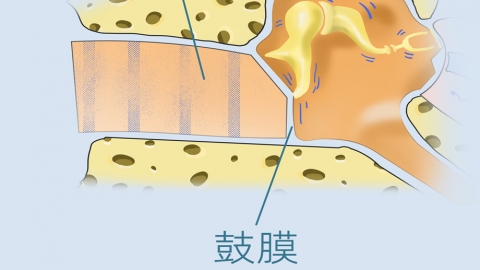
If the myringotomy wound is small, proper postoperative care is maintained, and no infection or secondary injury occurs, the eardrum’s natural regenerative ability can heal the wound within 1–2 weeks. After healing, the eardrum structure returns to integrity without a noticeable hole, and long-term hearing impact is unlikely. Hearing typically recovers gradually to normal levels.
If the myringotomy wound is large, or if ear canal infections or water exposure occur after surgery, these factors may interfere with healing and lead to incomplete wound closure, resulting in a residual perforation. If such a hole persists long-term, it may increase the risk of ear infections and potentially impair hearing, requiring further treatment to promote healing or surgical repair of the eardrum.
After myringotomy, it is important to keep the ear canal dry and clean, avoid forceful nose-blowing or water entering the ear; use medications as prescribed to prevent infection. If symptoms such as ear fullness or hearing abnormalities persist one month after surgery, timely medical evaluation is necessary to assess healing progress and receive appropriate management.