


What illness has symptoms of nasal congestion, runny nose, and sneezing?
Nov 27, 2025
Source: Cainiu Health

Dr. Ren Yi
Introduction
Nasal congestion, runny nose, and sneezing are common manifestations of various respiratory conditions, typically symptoms of allergic rhinitis, the common cold, sinusitis, or vasomotor rhinitis. These symptoms often occur after exposure to allergens such as pollen or dust mites. In addition to nasal congestion, runny nose, and sneezing, they are frequently accompanied by nasal and eye itching, with symptoms usually appearing quickly after contact with the allergen.
Nasal congestion, runny nose, and sneezing are common symptoms of various respiratory conditions, possibly indicating allergic rhinitis, the common cold, acute rhinitis, sinusitis, vasomotor rhinitis, and other diseases. The specific analysis is as follows:
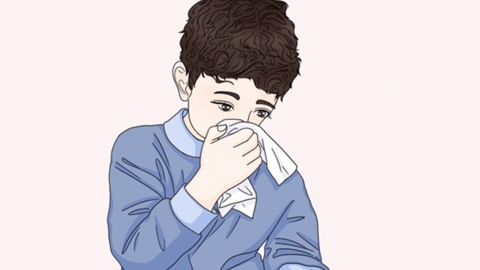
1. Allergic rhinitis: Often triggered by exposure to allergens such as pollen or dust mites. In addition to nasal congestion, runny nose, and sneezing, it is commonly accompanied by nasal itching and itchy eyes. Symptoms typically appear rapidly after contact with allergens and may gradually subside once the allergen is removed.
2. Common cold: Caused by viral infection. Besides the aforementioned symptoms, it may also involve sore throat, cough, low-grade fever, fatigue, and other systemic discomforts. Symptoms usually last about a week and gradually improve and resolve as immune function recovers.
3. Acute rhinitis: Mostly caused by viral infection. Early symptoms include nasal congestion, frequent sneezing, and clear, watery nasal discharge. Later, the nasal mucus may become thicker. Some patients may experience worsening nasal blockage or temporary reduced sense of smell. Recovery typically occurs within several days to a week.
4. Sinusitis: Often develops from rhinitis. Besides nasal congestion and runny nose, nasal discharge is typically mucopurulent or purulent. It may be accompanied by headache, facial tenderness, reduced sense of smell, and other symptoms. The condition lasts longer, and some patients may develop fever.
5. Vasomotor rhinitis: Triggered by factors such as temperature changes, emotional fluctuations, or irritating odors. Symptoms resemble those of allergic rhinitis, but without identifiable allergens. Episodes occur suddenly and symptoms often improve quickly after removing the triggering factors.
When experiencing the above symptoms, it's important to stay warm and avoid exposure to irritants. If symptoms persist for more than a week or are accompanied by fever or worsening headache, medical attention should be sought promptly to determine the cause. Patients with allergic rhinitis should identify and avoid allergens to reduce the frequency of flare-ups.



