


What should I do if my throat feels uncomfortable after eating pineapple?
Nov 27, 2025
Source: Cainiu Health

Dr. Lu Cheng
Introduction
Sore throat after eating pineapple is often caused by irritation from bromelain, fruit acids, allergic pharyngitis, acute pharyngitis, or reflux laryngitis. Symptoms can be improved by identifying the specific cause and adopting dietary adjustments or medical treatments accordingly. When consuming pineapple in daily life, it is advisable to soak it in salt water beforehand, and first-time eaters should start with a small amount to test tolerance.
Throat discomfort after eating pineapple is mostly caused by bromelain irritation, fruit acid stimulation, allergic pharyngitis, acute pharyngitis, or reflux laryngitis. Symptoms can be improved through dietary adjustments, medications, and other measures depending on the specific cause. The detailed analysis is as follows:
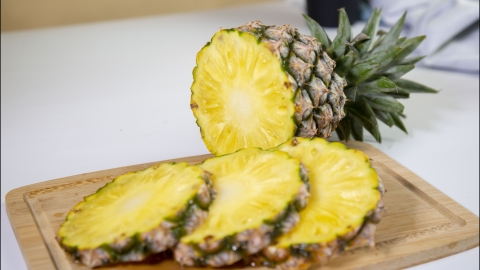
1. Bromelain Stimulation
Bromelain in pineapple breaks down proteins in the throat's mucous membrane, causing minor mucosal damage and discomfort. Before consumption, cut the pineapple into small pieces and soak in salt water for 20 minutes to reduce bromelain activity. Drink plenty of cool or lukewarm water when discomfort occurs to soothe the throat.
2. Fruit Acid Stimulation
Fruit acids in pineapple directly irritate the throat's mucous membrane, especially when the mucosa is dry. Choose riper pineapples, eat slowly to prevent prolonged acid exposure, and suck on non-menthol lozenges if irritation occurs.
3. Allergic Pharyngitis
The immune system mistakenly identifies components in pineapple as harmful substances, triggering an allergic reaction in the throat's mucosa, leading to itching, pain, and swelling. Immediately stop consuming pineapple and take antihistamines such as cetirizine hydrochloride tablets, fexofenadine hydrochloride tablets, or loratadine capsules under medical guidance.
4. Acute Pharyngitis
If chronic throat inflammation already exists, pineapple may trigger an acute flare-up, causing mucosal congestion, swelling, and pain. Follow a doctor’s advice to take medications like cefuroxime axetil tablets, azithromycin dispersible tablets, or Pudilan anti-inflammatory oral liquid, and avoid spicy foods.
5. Reflux Laryngitis
Pineapple stimulates increased gastric acid secretion, which may reflux and irritate the throat's mucosa. Maintain a light diet, take omeprazole enteric-coated capsules, rabeprazole sodium enteric-coated tablets, or domperidone tablets as directed by a physician, and avoid eating within two hours before bedtime.
When consuming pineapple regularly, prioritize soaking it in salt water and try a small amount first if you are new to it. If discomfort recurs frequently, determine whether allergies or underlying throat conditions exist, seek timely medical evaluation, and address the root causes to minimize future discomfort.





