


How to clean hardened earwax in the ear
Nov 27, 2025
Source: Cainiu Health

Dr. Lu Cheng
Introduction
When earwax becomes hard, it can be managed by softening with sodium bicarbonate ear drops followed by irrigation, gentle flushing with normal saline, careful removal using professional instruments, suctioning with a vacuum device, or cleaning under ear endoscopy. If you experience discomfort such as ear pain or hearing loss, it is advisable to seek timely medical attention at the otolaryngology department of a reputable hospital. Avoid using cotton swabs to clean deep inside the ear canal in daily life, as this may push the earwax further inward.
When earwax becomes hard, it can be managed through methods such as softening with sodium bicarbonate ear drops followed by irrigation, gentle flushing with normal saline, careful removal using specialized instruments, suction with a vacuum aspirator, or endoscope-assisted cleaning. If symptoms like ear pain or hearing loss occur, it is recommended to seek timely medical attention at the otolaryngology department of a reputable hospital. Detailed explanations are as follows:
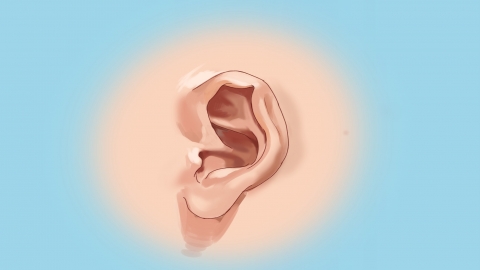
1. Softening with sodium bicarbonate ear drops followed by irrigation
Sodium bicarbonate ear drops help break down lipid components in earwax, reducing its hardness. Apply 2–3 drops, 3–4 times daily for about 3 days until the earwax softens. Once softened, a doctor can flush the external auditory canal with warm normal saline to remove the softened wax.
2. Gentle flushing with normal saline
Suitable when earwax has been partially softened. Use medical-grade normal saline warmed to body temperature to avoid stimulating the inner ear. Fill a dedicated irrigator with saline, tilt your head to one side, and slowly flush the entrance of the external auditory canal, allowing the water flow to carry out the earwax.
3. Gentle removal with professional tools
Performed by a physician using specialized instruments such as a cerumen spoon or hook. The doctor uses a light source to clearly visualize the ear canal and gently removes the hardened earwax. This procedure requires extreme caution to prevent injury to the ear canal skin or eardrum.
4. Suction with an aspirator (negative pressure)
Used for earwax that remains sticky even after softening. The doctor applies moderate negative pressure via an aspirator to slowly draw out the wax. This method allows precise control of suction strength, minimizing irritation to the ear canal and is suitable for sensitive individuals.
5. Endoscope-assisted cleaning
An ear endoscope magnifies the internal structure of the ear canal, enabling the doctor to clearly see the location and condition of the earwax. Under endoscopic guidance, hardened earwax can be removed more safely, significantly reducing procedural risks.
Avoid inserting cotton swabs deep into the ear canal during routine care, as this may push earwax further inward. Refrain from frequent ear picking—ear canals have a self-cleaning mechanism. After swimming or bathing, promptly dry the outer ear opening to keep the ear canal dry and reduce the likelihood of earwax hardening.




