


Why does my throat itch all the way to the deep part of my ear, and what should I do?
Dec 31, 2024
Source: Cainiu Health

Dr. Lu Cheng
Introduction
Under normal circumstances, the throat refers to the pharynx. Itching deep inside the ear accompanied by the throat may be caused by environmental factors, unhealthy lifestyle habits, chronic pharyngitis, acute otitis media, Eustachian tube dysfunction, or other related conditions. When allergens or irritants exist in the surrounding environment, the mucous membranes of the pharynx and Eustachian tube become irritated, triggering a sensation of itching in the nerve endings. This irritation can be transmitted to the ear via neural reflex pathways.
Generally speaking, the term "throat" refers to the pharynx. Itchiness deep inside the ear caused by the throat could be due to environmental factors, unhealthy lifestyle habits, chronic pharyngitis, acute otitis media, or Eustachian tube dysfunction. Treatment options include general therapy, medication, physical therapy, etc., under a doctor's guidance. If discomfort occurs, timely medical attention is recommended. Detailed analysis is as follows:
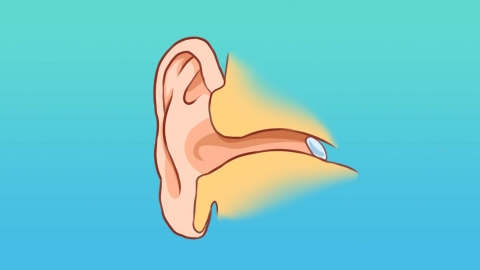
1. Environmental Factors
When allergens or irritants are present in the surrounding environment, the mucous membranes of the pharynx and Eustachian tube can become irritated, causing a sensation of itching in the nerve endings. This irritation may be transmitted via nerve reflexes to the deeper part of the ear. It is recommended to avoid known allergens and irritants as much as possible—for example, wearing a mask during pollen seasons, maintaining indoor cleanliness, and using air purifiers and vacuum cleaners to reduce dust and dust mites.
2. Unhealthy Lifestyle Habits
Excessive voice use and frequent swallowing movements can cause frequent activity of the throat muscles, irritating the pharyngeal mucosa. This irritation may spread along the Eustachian tube, causing itchiness deep within the ear. One should avoid speaking loudly for prolonged periods, singing, unnecessary swallowing movements, and smoking.
3. Chronic Pharyngitis
Chronic pharyngitis may be caused by environmental factors, occupational factors, unhealthy lifestyle habits, diet, or acute pharyngitis. Inflammation irritates the pharyngeal mucosa, keeping it in a state of chronic inflammation. Since the Eustachian tube communicates with the pharynx, the inflammation may spread along the Eustachian tube, causing itchiness deep inside the ear. It may also be accompanied by symptoms such as a foreign body sensation in the throat, dryness, and irritation-induced coughing. Under a doctor's guidance, medications such as Pharyngitis Tablets, Qinghou Lixiang Granules, and Compound Borax Mouthwash may be used for treatment.
4. Acute Otitis Media
Acute otitis media is mainly caused by bacterial or viral infections. Pathogens enter the middle ear cavity through the Eustachian tube in a retrograde manner, triggering middle ear inflammation. The inflammation stimulates the mucous membranes and surrounding nerves of the middle ear, thus causing the aforementioned symptoms. Symptoms such as ear pain, hearing loss, and tinnitus may also occur. Under a doctor's guidance, medications such as Amoxicillin and Clavulanate Potassium Tablets, Cefaclor Sustained-Release Tablets, and Ofloxacin Ear Drops may be used.
5. Eustachian Tube Dysfunction
Eustachian tube dysfunction is usually caused by upper respiratory tract infections, rhinitis, sinusitis, and other diseases. The Eustachian tube cannot properly regulate pressure balance between the middle ear and the external environment, causing a negative pressure within the middle ear cavity that irritates the mucous membranes of the middle ear and Eustachian tube, resulting in a sensation of itchiness. Symptoms such as ear fullness and tinnitus may also occur. It is recommended to use medications such as Budesonide Nasal Spray, Rhinitis Kang Tablets, and Eucalyptol-Pinene Soft Capsules under a doctor's guidance. Eustachian tube inflation techniques may also be used to improve Eustachian tube function.
In daily life, one should maintain nasal patency and prevent colds and other upper respiratory tract infections; maintain good oral hygiene; strengthen physical exercise; and enhance overall immunity.





