


What should I do if my tonsils hurt and swallowing saliva is painful?
Nov 27, 2025
Source: Cainiu Health

Dr. Lu Cheng
Introduction
In general, sore throat and pain when swallowing saliva may be caused by excessive voice use, dietary irritation, acute tonsillitis, acute suppurative tonsillitis, or peritonsillar abscess. It is recommended to seek medical attention promptly, identify the underlying cause, and then improve symptoms under a doctor's guidance through general management, medication, or other treatments. In daily life, maintain good oral hygiene by brushing teeth thoroughly in the morning and evening, and rinsing the mouth after meals.
Generally, soreness in the tonsils and pain when swallowing saliva may be caused by excessive voice use, dietary irritation, acute tonsillitis, acute suppurative tonsillitis, or peritonsillar abscess. It is recommended to seek medical attention promptly, identify the underlying cause, and then improve symptoms under a doctor's guidance through general care, medication, and other treatments. Specific analyses are as follows:
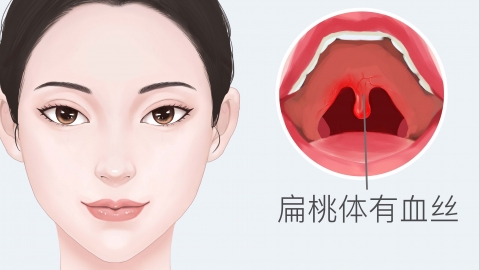
1. Excessive voice use: Prolonged loud speaking or frequent shouting can lead to congestion and swelling of the tonsillar mucosa, causing pain that worsens during swallowing. Immediately reduce speaking frequency, avoid shouting, rinse the mouth with warm saline three times daily, drink warm honey water frequently to soothe the throat, and relieve discomfort.
2. Dietary irritation: Consuming excessive spicy or hot foods can directly irritate the tonsillar mucosa, leading to mucosal damage and pain. Adjust the diet to include mild, cool liquid or semi-liquid foods such as millet porridge and steamed egg custard. Avoid irritating foods like chili peppers and hot pot to reduce stress on the mucosa.
3. Acute tonsillitis: Viral or bacterial infections can trigger acute inflammation of the tonsils, presenting as redness, swelling, and significant sore throat. Follow your doctor’s instructions to take medications such as amoxicillin capsules, cefradine capsules, or Pudilan Xiaoyan oral liquid to alleviate symptoms.
4. Acute suppurative tonsillitis: Worsening infection leads to pus formation on the tonsil surface, accompanied by severe sore throat, fever, and difficulty swallowing. Follow your doctor’s advice to use medications such as cefuroxime axetil tablets, penicillin V potassium tablets, or ambroxol hydrochloride oral solution for treatment.
5. Peritonsillar abscess: Inflammation spreads into the tissue surrounding the tonsils, forming an abscess. This causes intense pain, marked difficulty swallowing, and the head tends to tilt toward the affected side. Initially, follow medical advice to use intravenous antibiotics such as ceftriaxone sodium for injection, metronidazole injection, and dexamethasone injection to control infection. Then proceed with surgical incision and drainage of the peritonsillar abscess to remove pus and relieve pain.
Maintain good oral hygiene in daily life—brush teeth thoroughly in the morning and evening, and rinse the mouth after meals. Eat more fresh fruits and vegetables rich in vitamins to enhance immunity. Avoid tobacco and alcohol irritation. Comprehensive care helps resolve tonsillar inflammation and restore throat health.




