


What does it mean if I cough up blood-tinged phlegm upon waking up, and what should I do?
Nov 27, 2025
Source: Cainiu Health

Dr. Lu Cheng
Introduction
In general, coughing up blood-tinged sputum upon waking may be caused by dry air, forceful coughing, acute pharyngitis, bronchiectasis, tuberculosis, or other reasons. It is recommended to seek medical attention promptly, identify the underlying cause, and then improve the condition through general measures, medication, or other treatments under a doctor's guidance. In daily life, smoking and excessive alcohol consumption should be avoided, and exposure to irritants such as dust and smoke should be minimized.
Generally, coughing up blood-tinged sputum upon waking may be caused by dry air, forceful coughing, acute pharyngitis, bronchiectasis, tuberculosis, or other reasons. It is recommended to seek medical attention promptly, identify the underlying cause, and then improve the condition through general measures, medication, or other treatments under a doctor's guidance. The specific analysis is as follows:
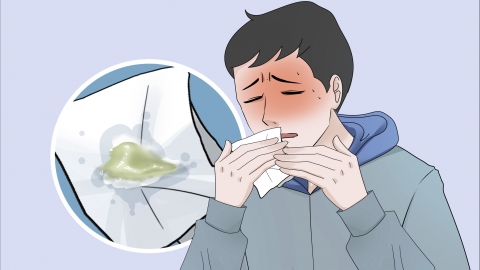
1. Dry Air: Prolonged exposure to a dry environment during nighttime sleep can lead to significant moisture loss in the respiratory mucosa, making it fragile and prone to rupture, which may result in blood-tinged sputum when coughing. Using a humidifier in the bedroom before sleep to maintain indoor humidity between 40% and 60%, and drinking a glass of warm water before bedtime and after waking, can help keep the respiratory mucosa moist.
2. Forceful Coughing: If there is throat itching or a sensation of a foreign body at night, forceful coughing can traumatize the respiratory mucosa, causing mucosal damage and bleeding. Avoid frequent and forceful coughing; instead, use gentle coughing to relieve throat discomfort, drink more warm water to soothe the throat, and avoid consuming spicy or irritating foods that may aggravate the throat.
3. Acute Pharyngitis: Acute inflammation of the pharyngeal mucosa caused by bacterial or viral infection leads to congestion and swelling. Even minor irritation can cause capillary rupture and bleeding. Follow medical advice to use medications such as Lan Qin Oral Liquid, Qingyan Drop Pills, or Cefuroxime Axetil Tablets. Additionally, gargle with mild salt water to reduce bacterial growth in the throat.
4. Bronchiectasis: Destruction of bronchial wall structures results in dilated and deformed airways, with local blood vessels becoming fragile. During sleep, respiratory secretions accumulate, and morning coughing can easily rupture these weakened vessels. Medications such as sustained-release Aminophylline tablets, Ambroxol Hydrochloride oral solution, or Azithromycin Dispersible Tablets may be used as directed by a physician. Regular postural drainage can also help promote sputum clearance.
5. Tuberculosis: Infection of the lungs by Mycobacterium tuberculosis damages lung tissue and surrounding blood vessels, leading to blood-tinged sputum, often accompanied by symptoms such as low-grade fever and night sweats. Strict adherence to prescribed treatment with medications like Isoniazid tablets, Rifampicin capsules, and Pyrazinamide tablets is essential. Isolation precautions should be taken during treatment to prevent transmission to others.
In daily life, quit smoking and limit alcohol consumption, avoiding exposure to irritants such as dust and smoke. Dress warmly to prevent colds and respiratory infections, maintain regular sleep patterns to boost immunity. Eat more fresh fruits and vegetables rich in vitamins to support the repair of respiratory mucosa.






