


What causes a fleshy lump in the left nostril, and what should be done about it?
Nov 28, 2025
Source: Cainiu Health

Dr. Lu Cheng
Introduction
In general, a lump in the left nostril may be caused by nasal irritation and swelling, deviated nasal septum cartilage, nasal polyps, nasal vestibule cyst, or inflammatory hyperplasia of the nasal vestibule. Depending on the specific situation, improvements can be achieved through routine care, medication, or surgical treatment. Maintain nasal hygiene daily, avoid digging the nose with hands or squeezing the lump. Eat a light diet and avoid spicy foods.
Generally, a lump in the left nostril may be caused by nasal irritation and swelling, deviated nasal septum cartilage, nasal polyps, nasal vestibule cyst, or inflammatory hyperplasia of the nasal vestibule. Depending on the specific situation, improvements can be made through general care, medication, or surgical treatment. Detailed analysis is as follows:
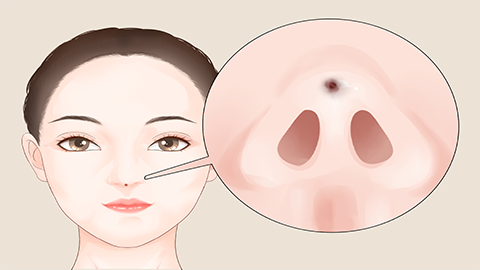
1. Nasal Irritation and Swelling
Forceful nose-blowing or picking the nose may damage the mucous membrane of the left nostril, leading to local congestion and swelling that appears like a fleshy lump. Avoid picking the nose or blowing it too hard. Gently rinse the nasal cavity with saline solution and keep the nasal passages moist and clean.
2. Deviated Nasal Septum Cartilage
A deviation of the nasal septum, due to congenital development or trauma, may cause the left cartilage to protrude, forming a lump-like bulge, often accompanied by nasal obstruction. Avoid pressure on the nasal area and refrain from touching or irritating it with fingers. If breathing is affected, consult a doctor to evaluate whether correction is needed.
3. Nasal Polyps
Chronic edema and overgrowth of the mucous membrane in the left nostril may form soft, polyp-like lumps resembling fleshy growths, possibly accompanied by runny nose. Under medical guidance, treatments such as mometasone furoate nasal spray, budesonide nasal spray, or montelukast sodium tablets may be used, with regular follow-up examinations.
4. Nasal Vestibule Cyst
Blockage of the mucus gland duct in the left nasal vestibule leads to accumulation of secretions and cyst formation, presenting as a smooth, lump-like mass. Small cysts may simply be monitored; larger ones may require surgical removal of the nasal vestibule cyst. After surgery, keep the nasal cavity dry to prevent infection.
5. Inflammatory Hyperplasia of the Nasal Vestibule
Bacterial infection in the left nasal vestibule causes inflammation, and prolonged irritation results in mucosal hyperplasia forming a fleshy lump. Under medical guidance, oral cefuroxime axetil tablets, topical mupirocin ointment, and physiological seawater nasal spray may be used. Avoid irritating the affected area.
Maintain good nasal hygiene in daily life—do not pick your nose or squeeze the lump. Eat a light diet and avoid spicy foods; stay away from dust and irritant gases. If the lump continues to grow, bleeds, or becomes painful, seek timely medical evaluation for accurate diagnosis and treatment.




