


What causes a stuffy, blocked feeling in both ears, and what should I do about it?
Nov 28, 2025
Source: Cainiu Health

Dr. Lu Cheng
Introduction
A闷 feeling or sensation of blockage in both ears may be caused by external auditory canal obstruction due to cerumen impaction, pressure changes, secretory otitis media, external otitis, or allergic rhinitis leading to Eustachian tube dysfunction. Symptoms can be improved through ear canal cleaning, pressure regulation, or medical treatment. If symptoms persist or are accompanied by hearing loss or pain, prompt medical attention is recommended.
A feeling of fullness or blockage in both ears may be caused by conditions such as cerumen impaction in the external auditory canal, pressure changes, secretory otitis media, external otitis, or Eustachian tube obstruction due to allergic rhinitis. Symptoms can be improved through ear canal cleaning, pressure regulation, or medical treatment. If symptoms persist or are accompanied by hearing loss or pain, prompt medical attention is necessary.
1. Cerumen Impaction: Excessive cerumen production or poor natural expulsion can lead to buildup in the ear canal, blocking sound transmission and causing a sensation of blockage, possibly with mild hearing loss. Avoid digging the ears yourself; instead, visit a hospital where a doctor can safely remove the cerumen using professional tools to prevent ear canal injury.
2. Pressure Changes: Rapid changes in external pressure during air travel, elevator rides, or mountain climbing can temporarily impair Eustachian tube function, leading to imbalanced middle ear pressure and a blocked sensation. Chewing gum, swallowing, or performing the Valsalva maneuver (pinching the nose and gently blowing) can help equalize pressure and relieve discomfort.
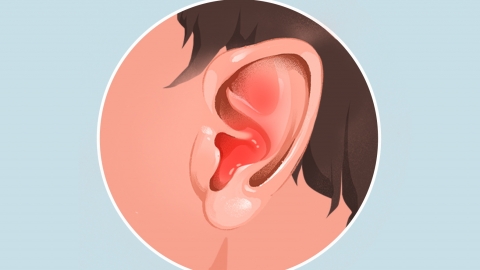
3. Secretory Otitis Media: Blockage or infection of the Eustachian tube leads to fluid accumulation in the middle ear, impairing sound conduction and resulting in ear fullness, hearing loss, and possibly mild ear pain. Under medical guidance, medications such as cefixime dispersible tablets, mometasone furoate nasal spray, and eucalyptus citriodora pine soft capsules may be used to alleviate symptoms.
4. External Otitis: Bacterial or fungal infections cause inflammation of the external auditory canal, with mucosal swelling narrowing the canal and causing a blocked sensation, often accompanied by itching and pain. Under a doctor’s supervision, patients may use ofloxacin ear drops, cefaclor capsules, or fluconazole cream to relieve symptoms.
5. Eustachian Tube Obstruction Due to Allergic Rhinitis: Allergies cause nasal mucosal congestion and swelling, compressing the opening of the Eustachian tube and obstructing middle ear ventilation, leading to ear fullness along with sneezing and clear nasal discharge. As directed by a physician, medications such as loratadine tablets, budesonide nasal spray, and montelukast sodium chewable tablets can help improve symptoms.
Maintain clean and dry ear canals, avoid water exposure, stay away from dust and allergens, blow your nose gently, maintain regular sleep patterns, and strengthen immunity to reduce the occurrence of ear discomfort.






