


My throat hurts so much that I can't cough—every time I do, the pain gets worse.
Nov 28, 2025
Source: Cainiu Health

Dr. Lu Cheng
Introduction
The throat hurts whenever coughing—it may be caused by dryness of the pharyngeal mucosa, excessive use of the voice, acute pharyngitis, acute tonsillitis, or throat ulcers. Symptoms can be improved through hydration, keeping the throat moist, resting the vocal cords, and medication. If the pain is severe or accompanied by fever or difficulty swallowing, seek medical attention promptly. Dry air or insufficient water intake may contribute to the condition.
The throat hurts whenever coughing, which may be caused by dryness of the pharyngeal mucosa, overuse of the voice, acute pharyngitis, acute tonsillitis, or pharyngeal ulcers. Symptoms can be improved through hydration, vocal rest, and medication. If pain is severe or accompanied by fever or difficulty swallowing, prompt medical attention is necessary.
1. Dry pharyngeal mucosa: Dry air or insufficient fluid intake can leave the throat mucosa inadequately moisturized. When coughing, airflow irritates the dry mucosa, causing pain. It is recommended to drink more warm water, use a humidifier to increase environmental humidity, and avoid exposure to dry or irritating gases.
2. Voice overuse: Prolonged speaking or shouting can cause congestion and swelling of the pharyngeal mucosa. Coughing pulls on the inflamed tissue, worsening pain. It is advised to reduce speaking to allow vocal cords to rest, avoid loud talking, and consume mild, liquid foods to minimize throat irritation.
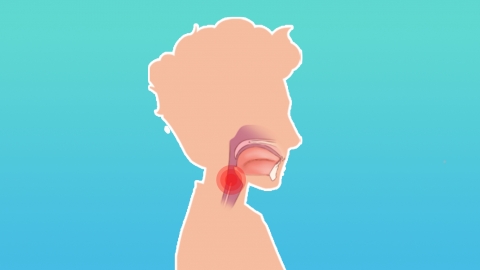
3. Acute pharyngitis: Viral or bacterial infection causes acute inflammation of the pharyngeal mucosa, resulting in redness and swelling. Coughing increases friction and irritation at the affected site, intensifying pain, often accompanied by hoarseness. Under medical guidance, medications such as Pudilan Xiaoyan Oral Liquid, Amoxicillin Capsules, or Xigua Shuang Throat Lozenges may be used to relieve symptoms.
4. Acute tonsillitis: Bacterial infection leads to redness, swelling, and pus formation in the tonsils. Airflow during coughing irritates the inflamed area, causing severe pain, along with painful swallowing and fever. Patients may, under medical supervision, use medications such as Cefixime Dispersible Tablets, Ibuprofen Sustained-Release Capsules, or Compound Chlorhexidine Mouthwash to alleviate discomfort.
5. Pharyngeal ulcer: Trauma or infection causes damage to the pharyngeal mucosa, forming ulcers. Coughing pulls on the ulcerated surface, causing sharp pain, often accompanied by pain during eating. As directed by a physician, patients may use Kangfuxin Liquid, Kaihoujian Spray, Vitamin B2 tablets, and other medications to improve symptoms.
Maintain well-ventilated and humid indoor air, follow a light and easily digestible diet, eat more fresh fruits and vegetables, and avoid smoking, alcohol, spicy foods, and hard foods. Maintain regular sleep patterns and avoid staying up late to support healing of the pharyngeal mucosa.




