


What causes a lump on the neck or chin, and what should I do about it?
Dec 01, 2025
Source: Cainiu Health

Dr. Liu Wenmin
Introduction
A lump on the neck or chin may be caused by excessive sebum production leading to clogged pores, local friction irritating the skin, folliculitis, sebaceous cysts, lymphadenitis, or other reasons. It is recommended to seek medical attention promptly, identify the underlying cause, and then improve the condition under a doctor's guidance through general management, medication, or other treatments. In daily life, avoid spicy and irritating foods, and consume more fresh fruits and vegetables to supplement vitamins.
Generally, a lump appearing on the neck or chin may result from excessive sebum production causing clogged pores, local friction irritating the skin, folliculitis, sebaceous cysts, lymphadenitis, and other causes. It is recommended to seek medical attention promptly, identify the underlying cause, and follow medical guidance for improvement through general care, medication, or other treatments. Specific analyses are as follows:
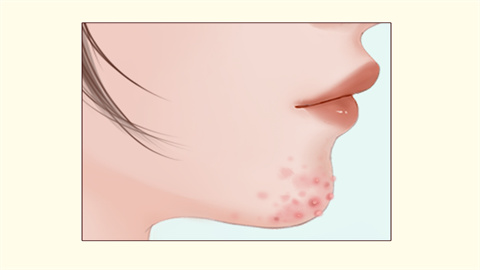
1. Excessive sebum production and clogged pores: The neck and chin areas have dense sebaceous glands. Hormonal fluctuations or staying up late can increase sebum secretion, leading to pore blockage and lump formation. Cleanse twice daily with a gentle oil-control facial cleanser, use lightweight moisturizing skincare products, avoid high-sugar and high-fat diets, and maintain regular sleep patterns to reduce hormonal imbalances.
2. Local friction irritating the skin: Tight collars or frequent scratching can damage the skin barrier, causing localized redness and lumps. Switch to loose, breathable cotton clothing, avoid collar friction on affected areas, and refrain from squeezing or scratching the lump to prevent skin damage and worsening symptoms.
3. Folliculitis: Inflammation caused by Staphylococcus aureus infection of hair follicles results in painful, red lumps, sometimes with small white pustules at the tip. Patients should apply topical medications such as mupirocin ointment, fusidic acid cream, or compound polymyxin B ointment as prescribed, and keep the area clean and dry.
4. Sebaceous cyst: A cyst forms when the sebaceous gland duct becomes blocked. The lump is usually firm, and may become red, swollen, and painful if secondarily infected. During early infection, oral antibiotics such as cefaclor capsules, amoxicillin-clavulanate potassium tablets, or roxithromycin capsules may be used under medical guidance to control inflammation. Surgical excision of the sebaceous cyst may be necessary to completely remove it and prevent recurrence.
5. Lymphadenitis: Infections in the mouth or throat can spread to cervical lymph nodes, causing swollen, tender lumps that may be accompanied by pain or fever. Patients should take antibiotics such as amoxicillin capsules, cefuroxime axetil tablets, or levofloxacin hydrochloride capsules as directed, while also treating the primary infection in the mouth or throat.
In daily life, avoid spicy and irritating foods, and consume more fresh fruits and vegetables to boost vitamin intake. Maintain good oral hygiene by rinsing after meals. Stick to a regular sleep schedule and avoid staying up late to strengthen immunity. Comprehensive self-care helps promote resolution of lumps and supports overall skin health.




