


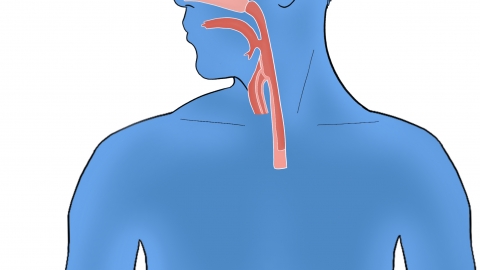
What is laryngopharyngeal reflux?

When laryngopharyngeal reflux (LPR) occurs, it may generally be a sign of conditions such as gastroesophageal reflux disease (GERD), chronic pharyngitis, hiatal hernia, functional dyspepsia, or Barrett's esophagus. A detailed analysis is as follows:
1. Gastroesophageal reflux disease (GERD): In patients with GERD, the lower esophageal sphincter functions abnormally, allowing gastric contents to reflux into the throat and cause LPR. Besides throat discomfort, typical symptoms such as acid regurgitation and heartburn are often present. Thus, LPR can serve as one of the important indicators for diagnosing this condition.
2. Chronic pharyngitis: Prolonged LPR exposes the pharyngeal mucosa to continuous irritation from stomach acid, leading to chronic inflammation. If standard treatments for chronic pharyngitis are ineffective and throat discomfort worsens after meals, LPR should be considered a potential underlying trigger.
3. Hiatal hernia: A hiatal hernia disrupts the normal structure and function of the lower esophageal sphincter, promoting reflux of gastric contents and resulting in LPR symptoms. Therefore, LPR may represent an early warning sign of hiatal hernia, and imaging or endoscopic evaluation is needed to assess the presence and extent of the hernia.
4. Functional dyspepsia: Patients with functional dyspepsia often experience delayed gastric emptying and increased intragastric pressure, which can drive reflux and lead to LPR. If LPR is accompanied by postprandial fullness and early satiety, it may indicate this functional gastrointestinal disorder.
5. Barrett’s esophagus: Barrett’s esophagus is commonly caused by long-standing GERD, and patients frequently experience LPR symptoms. Persistent LPR combined with difficulty swallowing (dysphagia) should raise concern for Barrett’s esophagus, warranting timely evaluation for esophageal mucosal changes via endoscopy.
After the onset of LPR symptoms, dietary modifications are recommended—avoid high-fat and spicy foods, and refrain from lying down immediately after meals. If symptoms persist for more than two weeks, prompt medical evaluation is advised to identify any underlying diseases.


