


How to improve fine, soft, and thin hair in teenagers
Nov 28, 2025
Source: Cainiu Health

Dr. Zhou Xiaofeng
Introduction
Hair health depends on protein, vitamins, and minerals. It is important to increase daily intake of high-quality proteins such as eggs, milk, and lean meat, while also consuming vitamin-rich vegetables like spinach and carrots, as well as foods containing trace elements such as walnuts and black sesame seeds. This provides ample nutrition for hair growth and helps improve fine, weak hair.
For teenagers with fine, soft, and thin hair, improvements can generally be achieved through nutritional dietary adjustments, improved hair care habits, reduced frequency of perming and dyeing, ensuring adequate sleep, and alleviating mental stress. Specific analyses are as follows:
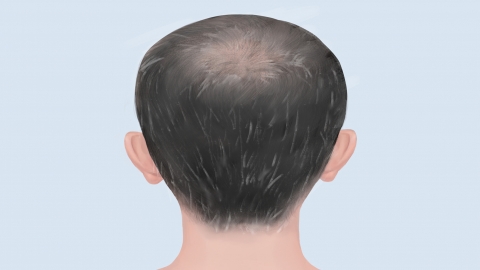
1. Nutritional supplementation through diet: Healthy hair depends on protein, vitamins, and minerals. It is important to increase daily intake of high-quality proteins such as eggs, milk, and lean meat, while also consuming vitamin-rich vegetables like spinach and carrots, and trace element-containing foods such as walnuts and black sesame seeds. This provides sufficient nutrition for hair growth and helps improve fine, soft hair.
2. Adjusting hair washing and care routines: Choose a mild, non-irritating shampoo and avoid products that are overly alkaline. Keep the water temperature around 37°C when washing hair, gently massaging the scalp to promote blood circulation. After washing, avoid pulling or tugging at the hair; instead, use a soft towel to gently absorb excess moisture. These steps minimize hair damage and help maintain healthy hair.
3. Reducing frequency of perming and dyeing: Teenagers' hair is still in a developmental stage. Frequent perming and dyeing can damage the hair cuticles, causing hair to lose its shine and become finer, softer, and more prone to breakage. Perming and dyeing should be avoided as much as possible. If necessary, treatments should be spaced at least six months apart, using gentler products to reduce harm to the hair.
4. Ensuring adequate sleep: Chronic late-night habits disrupt endocrine rhythms and affect normal follicle metabolism, leading to slower hair growth and finer, thinner hair. Establishing regular sleep patterns and ensuring 8–9 hours of sleep each night allows hair follicles sufficient rest and promotes healthy hair growth.
5. Alleviating mental stress: Excessive academic pressure may lead to hormonal imbalances, impair scalp blood circulation, and reduce nutrient supply to hair follicles, triggering hair problems. Stress can be relieved through physical exercise, listening to music, or communicating with family and friends. Maintaining emotional stability creates favorable conditions for healthy hair growth.
In daily life, avoid frequently using the high-heat setting on hair dryers to reduce thermal damage to hair. Use a wide-toothed comb when brushing to prevent over-brushing. If thin, fine, and sparse hair persists without improvement, it is advisable to consult a professional doctor.






