


What causes many small lumps to develop inside the lower leg?
Nov 28, 2025
Source: Cainiu Health

Dr. Wang Lei
Introduction
In general, the appearance of multiple small bumps on the lower leg may be caused by dry skin with accumulated keratin, keratosis pilaris, eczema, insect bite dermatitis, or prurigo nodularis. If discomfort occurs, it is recommended to seek timely medical evaluation and treatment at a正规 hospital. In daily life, maintain adequate moisture for the skin on the lower legs and choose loose, breathable clothing.
Generally, the appearance of multiple small bumps on the lower leg may be caused by dry skin with keratin buildup, keratosis pilaris, eczema, insect bite dermatitis, or prurigo nodularis. If discomfort occurs, it is recommended to seek timely medical evaluation and treatment at a reputable hospital. Specific causes are analyzed as follows:
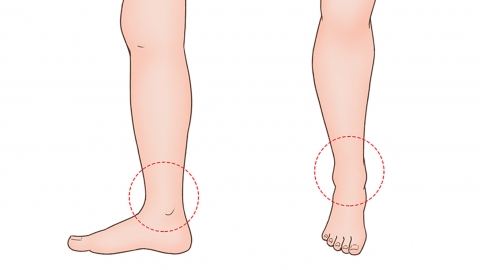
1. Dry skin with keratin buildup: Dry climates or excessive cleansing can lead to skin dehydration and abnormal accumulation of keratin at hair follicle openings, resulting in tiny bumps. After bathing, promptly apply petroleum jelly or urea-vitamin E cream, avoid washing with hot water, and choose mild bath products.
2. Keratosis pilaris: Genetically determined abnormal keratinization of hair follicles leads to clogged pores and raised small bumps. After gentle exfoliation, apply tretinoin cream or salicylic acid ointment. Include vitamin A-rich foods such as carrots and animal liver in the daily diet.
3. Eczema: Skin inflammation triggered by allergies or environmental irritants causes red, itchy bumps. Use desonide cream, hydrocortisone butyrate cream, or loratadine tablets as directed by a physician. Avoid contact with irritants such as soap and synthetic fabrics.
4. Insect bite dermatitis: Local allergic reactions to insect saliva after bites cause red, itchy bumps. Topical treatments include calamine lotion or mometasone furoate cream; oral antihistamines such as cetirizine hydrochloride tablets may be used. Maintain environmental cleanliness and take mosquito prevention measures.
5. Prurigo nodularis: Skin proliferation triggered by insect bites or friction results in firm, dark-brown nodules. Under medical guidance, use halometasone cream, tacrolimus ointment, or fexofenadine hydrochloride tablets. For severe cases, cryotherapy may be considered.
In daily life, maintain adequate moisture for the skin on the lower legs and wear loose, breathable clothing. Take preventive measures against insect bites and avoid scratching. Maintain a light diet and reduce intake of spicy or irritating foods. Seek prompt medical attention if symptoms persist.






