What causes scar itching half a year after cesarean section?
Nov 28, 2025
Source: Cainiu Health

Dr. Liu Wenmin
Introduction
In general, itching of the scar six months after cesarean section may be caused by scar tissue repair, environmental irritation, scar hypertrophy, contact dermatitis, or scar infection. If discomfort occurs, it is recommended to seek timely medical evaluation and treatment at a正规 hospital. In daily life, keep the scar clean and dry, avoid scratching or irritating it, and wear loose, breathable clothing.
Generally, itching of the scar six months after cesarean section may be caused by scar tissue repair, environmental irritation, scar hypertrophy, contact dermatitis, or scar infection. If discomfort occurs, it is recommended to seek timely medical evaluation and treatment at a正规 hospital. Detailed explanations are as follows:
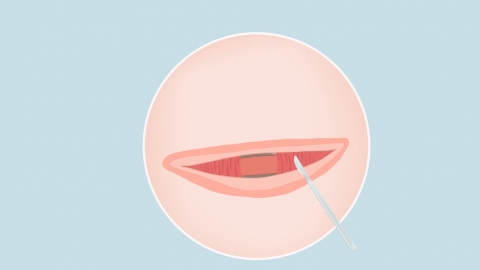
1. Scar Tissue Repair: During wound healing, fibroblasts proliferate and produce collagen, while newly formed nerve endings are highly sensitive and easily stimulated, leading to itching. Avoid scratching the scar; gently pat it with a clean towel to relieve symptoms, and wear loose, soft clothing to minimize friction.
2. Environmental Irritation: Changes in temperature, sweat exposure, or irritation from clothing materials can activate sensitive nerves in the scar area, causing itching. Keep the scar dry and clean, wipe away sweat promptly, choose breathable cotton clothing, and avoid prolonged exposure to high-temperature environments.
3. Scar Hypertrophy: Excessive proliferation of local collagen fibers leads to congestion and thickening of the scar tissue, which compresses surrounding nerves and causes itching. This is often accompanied by raised, red scars. As directed by a physician, use silicone gels, compound heparin sodium allantoin gel, or polysulfated glycosaminoglycan cream consistently to suppress scar overgrowth.
4. Contact Dermatitis: Exposure of the scar area to allergens such as metal belts or fabric dyes triggers an immune response, resulting in itching and rashes. Under medical guidance, take antihistamines such as cetirizine hydrochloride tablets, fexofenadine hydrochloride tablets, or loratadine syrup, and avoid suspected allergens.
5. Scar Infection: Bacterial invasion following scar damage causes local inflammation, with inflammatory mediators stimulating nerves and resulting in itching, redness, swelling, and discharge. Use mupirocin ointment, fusidic acid cream, or cefuroxime axetil tablets as prescribed. Severe cases may require surgical debridement of the scar.
In daily life, maintain cleanliness and dryness of the scar and avoid scratching or irritation; wear loose, breathable clothing to reduce friction; stay away from known allergens to lower the risk of skin irritation; monitor the scar regularly, and seek medical attention promptly if abnormalities occur.