


What should I do if my skin has an allergic reaction after spraying 75% alcohol?
Nov 28, 2025
Source: Cainiu Health

Dr. Liu Wenmin
Introduction
Skin allergic reactions caused by spraying 75% alcohol can generally be managed by immediately discontinuing the use of alcohol, washing the affected area with clean water, applying cold compresses to relieve discomfort, using topical anti-allergy ointments, and taking oral antihistamine medications. Once an allergic reaction is noticed, stop using 75% alcohol immediately and avoid contact with other alcohol-containing disinfectants or skincare products.
Skin allergy caused by spraying 75% alcohol can generally be managed by immediately stopping the use of alcohol, cleansing the affected area with water, applying cold compresses to relieve discomfort, using topical anti-allergy ointments, and taking oral antihistamine medications. The specific measures are as follows:
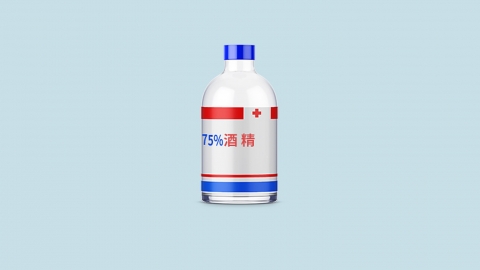
1. Immediately stop using alcohol: Once an allergic reaction is noticed, discontinue the use of 75% alcohol immediately. Also avoid contact with other alcohol-containing disinfectants or skincare products to prevent continued irritation from alcohol components, which may worsen the allergic reaction. This helps create a non-irritating environment for skin recovery.
2. Cleanse the affected area with water: Gently rinse the allergic skin with room-temperature running water to remove any residual alcohol and minimize ongoing damage. Avoid vigorous rubbing during washing to prevent further disruption of the compromised skin barrier. After rinsing, gently pat the area dry with a clean, soft towel.
3. Apply cold compress to relieve discomfort: If symptoms such as redness, swelling, heat, or itching occur, apply a cold compress using a clean towel wrapped around an ice pack or a chilled damp cloth. Apply for 5–10 minutes at a time to help constrict capillaries, reduce inflammation, and alleviate redness and burning sensations.
4. Use topical anti-allergy ointments: For mild redness or small rashes, apply topical anti-allergy creams such as mometasone furoate gel or hydrocortisone butyrate cream. Spread evenly over the affected area to suppress local inflammation and relieve itching. Follow usage instructions carefully and avoid long-term or extensive application.
5. Take oral antihistamine medications: If the allergic reaction covers a large area, is accompanied by severe itching, or mild skin swelling, oral antihistamines such as loratadine tablets or cetirizine hydrochloride tablets may be taken to help control systemic allergic responses and reduce symptoms. Use only as directed by a healthcare provider or according to package instructions.
During the allergic period, keep the skin clean and dry, and wear loose, breathable cotton clothing to minimize friction on the affected area. If symptoms do not improve after treatment or if complications such as oozing from the skin or fever develop, seek medical attention promptly.


