


How to treat a small piece of flesh cut off from a finger
Nov 28, 2025
Source: Cainiu Health

Dr. Li Feng
Introduction
In general, the management of a minor flesh loss on a finger mainly includes wound cleaning, applying pressure to stop bleeding, disinfection and protection, using medications to promote healing, and seeking medical treatment when necessary. After initial care, it is important to regularly change wound dressings and monitor the healing process. In daily life, avoid exposing the wound to dirty water or contaminants, and take protective measures when doing housework or physical labor.
Generally, when a small piece of flesh is cut off from a finger, the main management methods include wound cleaning, pressure to stop bleeding, disinfection and protection, medication to promote healing, and medical treatment if necessary. Specific analysis is as follows:
1. Clean the wound
Debris may remain on the wound surface; if not cleaned promptly, it could lead to infection. Flush the wound with running water or saline solution to remove dirt, sand, and other impurities. Rinse for 3–5 minutes to ensure basic cleanliness and prepare for subsequent treatment.
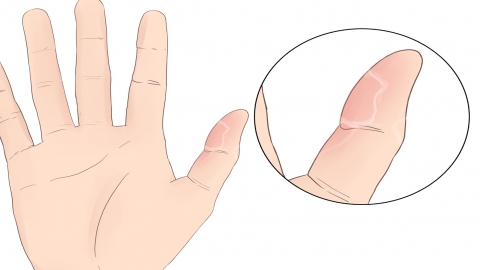
2. Apply pressure to stop bleeding
Skin damage often causes capillary rupture and bleeding. Prompt hemostasis reduces blood loss and the risk of infection. Cover the wound with clean gauze or a sterile cotton ball and apply gentle pressure for 5–10 minutes. Keep the injured finger slightly elevated during compression, and avoid moving the gauze unnecessarily to maintain effective hemostasis.
3. Disinfect and protect
After cleaning and stopping the bleeding, disinfect the skin around the wound to eliminate residual bacteria. Use povidone-iodine swabs to apply antiseptic to the wound and surrounding area. Avoid using alcohol directly on the wound, as it may cause severe pain. After disinfection, cover the wound with sterile gauze to keep it dry and prevent recontamination during daily activities.
4. Medication to promote healing
If the wound shows signs of infection or heals slowly, medication can assist in treatment. As directed by a physician, topical antibiotics such as mupirocin ointment, erythromycin ointment, or fusidic acid cream may be applied. These medications help prevent and control infection, creating a favorable environment for wound healing.
5. Seek medical care
Seek prompt medical attention if the wound is deep, continues to bleed, or was caused by a rusty object. A doctor will assess whether debridement and suturing are needed and may administer tetanus antitoxin if necessary to prevent tetanus infection. Immediate medical consultation is also required if signs of infection appear, such as redness, swelling, pus formation, or increased pain.
After initial treatment, regularly change the wound dressing and monitor the healing progress. Avoid exposing the wound to dirty water or contaminants. Take protective measures during household chores or physical labor, and consume protein-rich foods to support wound recovery.





