


What causes fingernails to become soft when exposed to water?
Nov 28, 2025
Source: Cainiu Health

Dr. Li Feng
Introduction
In general, softening of the nails upon contact with water may be caused by normal water absorption, thin and brittle nails, nail dystrophy, onychomycosis (fungal nail infection), or nail damage due to eczema. If discomfort occurs, it is recommended to seek timely medical evaluation and treatment at a正规 hospital. In daily life, minimize the duration of nail soaking, protect hands from irritants, and maintain a balanced diet to ensure adequate nutrition.
Generally, softening of the nails upon contact with water may be caused by normal water absorption, thin and brittle nails, nail dystrophy, onychomycosis (fungal nail infection), or nail damage due to eczema. If discomfort occurs, it is recommended to seek timely medical evaluation and treatment at a正规 hospital. Detailed analysis is as follows:
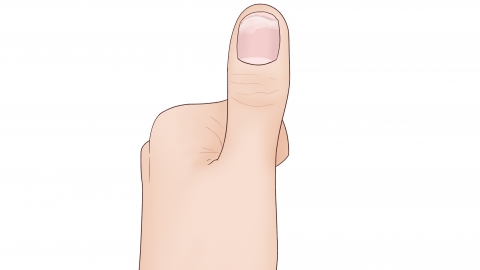
1. Normal Water Absorption
Nails are primarily composed of keratin. When exposed to water, the keratin structure becomes loose and absorbs moisture, causing the nails to soften. After contact with water, dry the nails promptly. Wear waterproof gloves during household chores to avoid prolonged soaking of the hands.
2. Thin and Brittle Nails
Frequent filing, manicures, or nutritional imbalances can weaken nail structure, making them more prone to softening and deformation when wet. Discontinue excessive filing and manicures. When trimming nails, maintain an appropriate length, and increase intake of high-protein foods such as eggs and soy products in the diet.
3. Nail Dystrophy
Deficiencies in nutrients such as B vitamins and calcium can impair keratin synthesis in nails, leading to softer nail texture. Under medical guidance, supplements such as compound vitamin B tablets, calcium carbonate chewable tablets, and zinc gluconate oral solution may be taken. Increase consumption of nuts and leafy green vegetables.
4. Onychomycosis (Fungal Nail Infection)
Fungal infection damages the nail's keratin layer, disrupting its structure and causing significant softening upon water exposure, often accompanied by discoloration and thickening. Under a doctor’s supervision, topical treatments such as amorolfine hydrochloride solution or miconazole nitrate cream may be used, along with oral itraconazole capsules. Keep nails clean and dry.
5. Nail Damage Due to Eczema
Hand eczema spreading to the area around the nails causes inflammation that affects nail matrix function, resulting in poor nail development and softening when wet. As directed by a physician, topical corticosteroids such as hydrocortisone butyrate cream or desonide cream may be applied, and oral antihistamines like loratadine tablets may be prescribed. Avoid contact with irritants such as soap and detergents.
In daily life, minimize the duration of nail immersion in water; protect hands from irritants; maintain a balanced diet to support nail health; regularly monitor nail condition and treat any fungal infections promptly; and avoid frequent manicures that may damage the nails.




