Why is my big toenail becoming increasingly thick and bulging, and what should I do about it?
Dec 01, 2025
Source: Cainiu Health

Dr. Li Feng
Introduction
In general, increasing thickening and bulging of the big toenail may be caused by aging, prolonged pressure, onychomycosis (fungal nail infection), nail dystrophy, or nail psoriasis. Depending on the specific situation, patients can choose appropriate treatments such as conservative management, medication, or surgical intervention to improve the condition. In daily life, it is important to wear proper footwear and socks to protect the nails, avoid trauma and compression, and maintain a balanced diet to ensure adequate nutrition.
Generally, increasing prominence and thickening of the big toenail may be caused by aging, prolonged pressure, onychomycosis, nail dystrophy, or nail damage due to psoriasis. Depending on the specific situation, patients can choose appropriate treatments such as conservative management, medication, or surgical intervention. Detailed analysis is as follows:
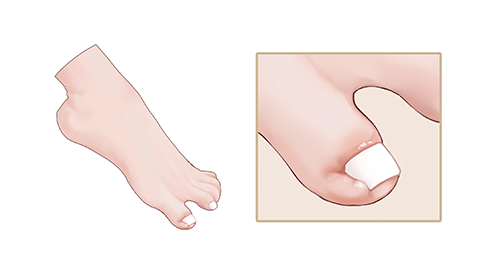
1. Aging
With advancing age, nail metabolism slows down, leading to keratin layer accumulation and thickening, while the nail plate loses elasticity and becomes more convex. Soaking feet in warm water daily helps soften the nails. When trimming, avoid cutting too short, and wear loose-fitting shoes and socks to reduce compression.
2. Prolonged Pressure
Wearing narrow-toed or high-heeled shoes over a long period continuously compresses the big toe, causing deformation, thickening, and bulging of the nail plate. Switch immediately to spacious, breathable round-toed shoes, avoid prolonged standing or walking, and massage the toes before bedtime to promote circulation.
3. Onychomycosis (Fungal Nail Infection)
Fungal infection damages the nail plate structure, resulting in thickened, brittle, and swollen nails. Trim the affected edges of the nail and apply terbinafine hydrochloride cream topically as prescribed. Oral antifungals such as itraconazole capsules or fluconazole tablets may also be taken under medical guidance.
4. Nail Dystrophy
Deficiency in nutrients such as vitamin A and calcium leads to inadequate nourishment for nail growth, causing the nail plate to thicken and become convex. Increase intake of foods rich in these nutrients—such as carrots, milk, and eggs—and take vitamin A soft capsules, calcium carbonate D3 tablets, or calcium gluconate tablets as directed by a physician.
5. Nail Damage Due to Psoriasis
When psoriasis affects the toenails, abnormal keratinization occurs, leading to nail thickening, swelling, and pitting. Maintain good foot hygiene and use topical calcipotriol ointment or tacrolimus ointment as prescribed. Oral acitretin capsules may be used when necessary. In severe cases, surgical removal of the diseased nail may be considered.
In daily life, choose proper footwear and socks to protect the toenails, avoiding trauma and pressure. Maintain a balanced diet to ensure adequate nutrition and regularly clean the feet. If the nail rapidly becomes thicker or more convex, changes color, or is accompanied by pain, seek medical attention promptly for accurate diagnosis and standardized treatment.