


Should I go to the hospital for skin allergies?
Nov 29, 2025
Source: Cainiu Health

Dr. Liu Wenmin
Introduction
Whether to go to the hospital for a skin allergy depends on the severity of symptoms. If symptoms are mild and localized, medical attention is not necessary—self-care measures can help relieve discomfort. However, if symptoms are severe or persist without improvement, prompt medical evaluation at a hospital is recommended. Daily skin protection is essential; choose fragrance-free, non-irritating skincare products and clothing. Once the allergen is identified, long-term avoidance is necessary, along with reducing intake of foods that commonly trigger allergies.
Skin allergies may or may not require a hospital visit, depending on the severity of symptoms. If symptoms are mild and localized, medical attention is usually unnecessary and self-care measures can help relieve discomfort. However, if symptoms are severe or fail to improve, prompt medical care is recommended. The details are as follows:
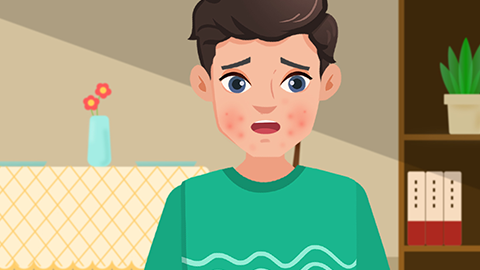
If the allergic reaction involves only a few red rashes with mild itching in a localized area, and the allergen is clearly identified and promptly avoided, a hospital visit is typically not needed. In such cases, gently clean the skin with water, avoid scratching, apply a gentle moisturizer, and stay away from triggers such as pollen, dust mites, or specific foods. Symptoms usually resolve within a few days.
Immediate medical attention is required if symptoms are severe—such as widespread rashes, intense itching, oozing skin, blisters, or systemic symptoms like difficulty breathing or dizziness. These may indicate a worsening allergic reaction, requiring professional evaluation and treatment with antihistamines or other medications.
In daily life, proper skin protection is essential. Choose fragrance-free, non-irritating skincare products and clothing. Once allergens are identified, they should be avoided long-term. Limit intake of spicy foods, seafood, and other common dietary allergens. During an allergic episode, maintain skin cleanliness, follow a regular sleep schedule, and strengthen immunity to support recovery.


