


What is the treatment for skin allergy to industrial oils?
Dec 01, 2025
Source: Cainiu Health

Dr. Liu Wenmin
Introduction
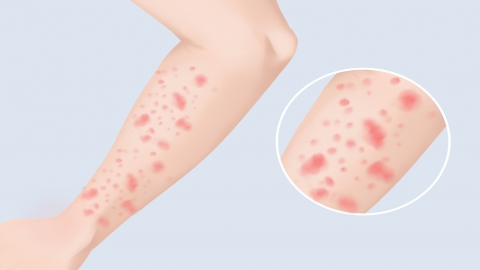
Allergic reactions of the skin to industrial oils can be treated by avoiding the allergen, applying topical corticosteroids, taking oral antihistamines, using topical moisturizers and skin repair agents, and administering anti-infective treatment if secondary infection occurs. Management should be standardized according to the severity of the allergy. If extensive rashes, severe itching, or difficulty breathing occur, prompt medical attention is recommended. Immediately discontinue contact with industrial oils and related products.
Skin allergy to industrial oils can be treated by avoiding the allergen, applying topical corticosteroids, taking oral antihistamines, using topical moisturizers and skin barrier repair agents, and administering anti-infective treatment if secondary infection occurs. Treatment should be standardized according to the severity of the allergic reaction. If widespread rashes, severe itching, or difficulty breathing occur, prompt medical attention is recommended.
1. Avoiding the allergen: Immediately discontinue contact with industrial oils and related contaminated items. Wash the affected skin area with a mild cleanser to remove residual oil and prevent ongoing irritation that could worsen the allergic reaction.
2. Topical corticosteroids: Apply a low- to medium-potency corticosteroid cream to the affected areas to reduce inflammation and relieve itching. Avoid long-term and extensive use to prevent side effects such as skin atrophy.
3. Oral antihistamines: Take second-generation antihistamines to suppress the release of allergic mediators and alleviate symptoms such as itching and swelling. These medications have minimal sedative effects and are suitable for individuals during daily work.
4. Topical moisturizers and skin repair agents: During the recovery phase, use moisturizers containing ceramides and vitamin E to repair the damaged skin barrier, enhance skin resistance, and reduce the risk of future allergic reactions.
5. Anti-infective treatment for secondary infection: If the rash becomes eroded, oozes fluid, or shows signs of pus, topical or oral anti-infective medications are required to control bacterial infection and prevent its spread and worsening of the condition.
During daily work, wear gloves and protective clothing to avoid direct skin contact with industrial oils. Avoid scratching the rash during an allergic episode, refrain from consuming spicy or irritating foods, and maintain clean, dry skin to promote healing of skin lesions.


