


What does a positive result for fungal hyphae and spores mean?
Nov 29, 2025
Source: Cainiu Health

Dr. Liu Wenmin
Introduction
If the affected area is the skin (such as hands, feet, or trunk) and accompanied by symptoms like itching, erythema, and scaling, it is most likely a superficial fungal infection (e.g., tinea manuum, tinea pedis, or tinea corporis). These infections are confined to the superficial layers of the skin, where fungal hyphae and spores proliferate within the stratum corneum. Prompt treatment with topical antifungal agents (such as clotrimazole or terbinafine) usually effectively controls the condition and relieves discomfort.
Under normal circumstances, the presence of fungal hyphae and spores indicates a fungal infection in the tested sample, which may cause symptoms related to the skin, mucous membranes, or other affected areas. If concerned, it is recommended to seek medical advice promptly. The detailed analysis is as follows:
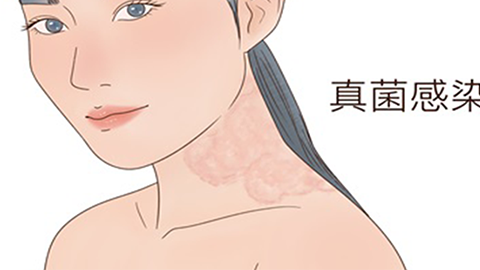
If the tested site is the skin (such as hands, feet, or trunk) and accompanied by symptoms like itching, redness, or scaling, it is likely a superficial fungal infection (e.g., athlete's foot, tinea corporis). These infections are confined to the outer layers of the skin, where fungal hyphae and spores proliferate in the stratum corneum. Timely application of topical antifungal medications (such as clotrimazole or terbinafine) usually effectively controls the condition and relieves discomfort.
If the tested site is a mucous membrane (such as the oral cavity or vagina) or deep tissues, or if symptoms such as fever, pain, or tissue swelling are present, it may indicate a deep fungal infection. These infections are relatively complex, with fungi potentially invading beneath the mucosa or into internal organs. Further diagnostic tests are required to determine the extent of infection. Treatment typically involves oral or intravenous antifungal drugs, requires a longer duration, and necessitates close monitoring of the body's response.
After receiving test results, prompt medical consultation is necessary to confirm the site and type of infection. Follow the doctor’s instructions strictly regarding medication—do not discontinue or adjust dosage without guidance. Maintain good personal hygiene during treatment, avoid close contact with others to prevent cross-infection, and schedule regular follow-up visits to evaluate treatment effectiveness.


