


How should rhinitis be treated?
Dec 01, 2025
Source: Cainiu Health

Dr. Lu Cheng
Introduction
In general, rhinitis attacks may be caused by environmental irritants, unhealthy lifestyle habits, allergic rhinitis, chronic simple rhinitis, or chronic hypertrophic rhinitis. It is recommended to seek medical attention promptly, identify the underlying cause, and then improve symptoms through general management, medication, or other treatments under a doctor's guidance. In daily life, maintain indoor humidity and avoid dry environments that may irritate the nasal mucosa.
Generally, episodes of rhinitis may be caused by environmental irritants, unhealthy lifestyle habits, allergic rhinitis, chronic simple rhinitis, or chronic hypertrophic rhinitis. It is recommended to seek timely medical attention, identify the underlying cause, and improve symptoms under a doctor's guidance through general management, medication, and other treatments. A detailed analysis is as follows:
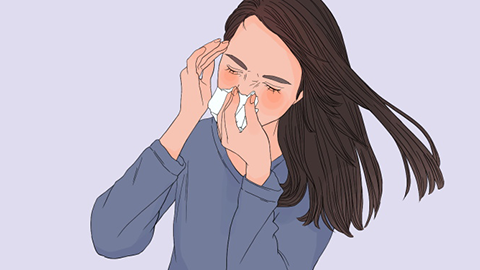
1. Environmental irritation: Pollen, dust mites, cold air, and other irritants can stimulate the nasal mucosa, leading to symptoms such as nasal congestion and runny nose, particularly noticeable during seasonal changes or periods of air pollution. Wearing a mask outdoors helps filter irritants; using an indoor air purifier and protecting the nose from cold air can reduce exposure and irritation to the nasal mucosa.
2. Worsening due to unhealthy lifestyle habits: Long-term sleep deprivation, smoking, or excessive alcohol consumption can weaken the resistance of the nasal mucosa, causing recurrent rhinitis. Maintain regular sleep patterns to avoid staying up late, quit smoking and limit alcohol intake, and rinse the nasal cavity with saline solution 1–2 times daily to clear nasal debris and strengthen the defense function of the nasal mucosa.
3. Allergic rhinitis: An abnormal immune response occurs upon exposure to allergens, manifesting as paroxysmal sneezing, watery nasal discharge, and nasal itching. Avoid known allergens such as pollen and animal dander. Follow medical advice to take oral antihistamines such as cetirizine hydrochloride tablets, loratadine capsules, or ebastine tablets, and use budesonide nasal spray to relieve symptoms.
4. Chronic simple rhinitis: Persistent congestion and swelling of the nasal mucosa lead to alternating nasal obstruction that worsens in cold conditions. Avoid spicy and irritating foods. As directed by a physician, use intranasal corticosteroids such as mometasone furoate nasal spray, fluticasone propionate nasal spray, or triamcinolone acetonide nasal spray to reduce inflammation of the nasal mucosa.
5. Chronic hypertrophic rhinitis: The nasal mucosa becomes thickened and enlarged, resulting in progressively worsening nasal obstruction; medication often has limited effectiveness. Conservative treatment should be attempted first. If ineffective, partial turbinectomy may be performed—removing part of the overgrown tissue to enlarge the nasal passage and improve airflow.
In daily life, maintain indoor humidity to avoid dry environments that may irritate the nasal mucosa. Eat more fruits and vegetables rich in vitamin C, engage in regular physical exercise to boost immunity, and reduce the frequency of rhinitis episodes. Comprehensive management is essential for maintaining nasal health.



