


Does rabies cause rhinitis?
Dec 02, 2025
Source: Cainiu Health

Dr. Li Feng
Introduction
In general, whether rabies can cause symptoms of rhinitis depends on the stage of the disease and the specific clinical presentation. If there is a history of suspected rabies exposure or related symptoms, prompt medical attention is recommended. In cases of animal scratches or bites, immediate and proper wound management and vaccination are necessary to reduce the risk of infection. Maintain good ventilation in daily environments and avoid contact with stray animals.
In general, whether rabies can cause symptoms of rhinitis depends on the stage of the disease and the specific clinical presentation. If there is a history of potential rabies exposure or related symptoms, prompt medical attention is recommended. The detailed analysis is as follows:
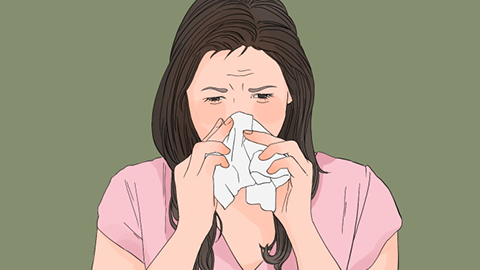
During the prodromal phase of rabies, some patients may experience rhinitis-like symptoms. At this stage, the virus spreads within the nervous system and triggers systemic discomfort, including fever, headache, and mild upper respiratory inflammation. The nasal mucosa may become involved, leading to symptoms such as nasal congestion and runny nose. These manifestations are often similar to those of the common cold and can be easily overlooked; therefore, diagnosis should take into account the patient's exposure history.
In the excitation phase and paralytic phase of rabies, rhinitis symptoms are typically absent. During the excitation phase, the hallmark features are hydrophobia, aerophobia, and spasms of the pharyngeal muscles, with clinical focus on critical conditions such as breathing difficulties and altered consciousness. In the paralytic phase, the main manifestations include flaccid paralysis, and respiratory and circulatory failure. The deterioration of bodily functions primarily involves the central nervous system and circulatory system, and inflammatory responses in the nasal mucosa are no longer evident.
If a person has been scratched or bitten by an animal, immediate and proper wound management and vaccination are essential to reduce the risk of infection. It is advisable to maintain good ventilation in living environments, avoid contact with stray animals, and wash hands promptly after interacting with pets. In case of respiratory discomfort, especially following potential exposure, timely medical evaluation is crucial to identify the underlying cause and initiate appropriate treatment without delay.



