


What to do if the hearing examination fails
Dec 01, 2025
Source: Cainiu Health

Dr. Lu Cheng
Introduction
Unsatisfactory results in hearing examination require timely re-evaluation to confirm findings, identify underlying causes, receive professional intervention, adjust lifestyle habits, and conduct regular hearing monitoring. Early detection and treatment can maximize the protection of hearing function. If hearing impairment persists upon re-examination, or if symptoms such as tinnitus, ear pain, or dizziness are present, prompt medical consultation is recommended. Choose a qualified healthcare provider.
Hearing test results found abnormal; it is important to promptly undergo re-evaluation to confirm the results, identify potential causes, receive professional intervention, adjust lifestyle habits, and conduct regular hearing monitoring. Early detection and treatment can maximize the protection of hearing function. If hearing impairment persists upon re-examination, or if symptoms such as tinnitus, ear pain, or dizziness occur, timely medical consultation is recommended.
1. Re-evaluation to confirm results: Visit an accredited hospital's otorhinolaryngology (ENT) department for a repeat hearing assessment to rule out environmental interference or procedural errors during the initial screening. This helps determine the type and degree of hearing loss and provides accurate guidance for subsequent interventions.
2. Identify underlying causes: Use otoscopy, hearing tests, and imaging studies to investigate potential causes such as otitis media, earwax blockage, noise-induced damage, or medication side effects. Treat the underlying condition accordingly.
3. Receive professional intervention: Conductive hearing loss may be treated with medication or surgery. Sensorineural hearing loss can be managed with hearing aids. For severe cases, cochlear implantation may be evaluated. Follow medical advice to choose the most appropriate treatment plan.
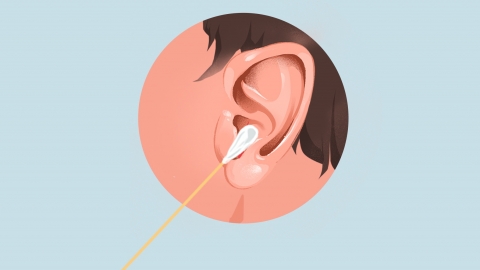
4. Adjust lifestyle habits: Avoid prolonged exposure to noisy environments, reduce headphone usage time and volume, refrain from using sharp objects to clean ears, prevent colds that may lead to ear infections, and minimize further hearing damage.
5. Regular hearing monitoring: Have a hearing check-up every 6–12 months to track changes in hearing ability, adjust intervention strategies as needed, and monitor any changes in hearing-related symptoms for early detection and management.
Maintain daily ear hygiene by keeping the ears clean and dry. Prevent contaminated water from entering the ears during bathing. Consume a diet rich in vitamin and zinc-containing foods, maintain regular sleep patterns avoiding late nights, engage in moderate exercise to strengthen overall health, and actively protect your hearing from damage.


