


What is a nasointestinal tube?
Dec 01, 2025
Source: Cainiu Health

Dr. Lu Cheng
Introduction
Nasoenteral tubes are commonly used for nutritional support in specific populations. For example, critically ill patients, individuals who cannot eat independently during the postoperative recovery period, or those with esophageal or gastric diseases causing difficulty in eating. Through a nasoenteral tube, nutrient solutions can be delivered directly to the small intestine, ensuring the body receives essential nutrition, maintaining normal physiological functions, and preventing health problems caused by inadequate food intake.
Under normal circumstances, a nasoenteric tube is a medical catheter inserted through the nasal passage with its tip placed in the small intestine. It is primarily used to deliver nutrients to individuals who cannot eat orally. If there are any concerns, it is recommended to consult a healthcare professional in advance. The detailed analysis is as follows:
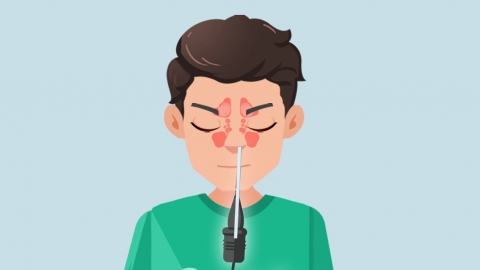
Nasoenteric tubes are commonly used for nutritional support in special populations. For example, critically ill patients, individuals recovering from surgery who cannot eat independently, or those suffering from esophageal or gastric disorders that impair feeding can benefit from direct delivery of nutritional fluids into the small intestine via the tube. This ensures the body receives essential nutrients, maintains normal physiological functions, and prevents health complications due to inadequate food intake.
These tubes are made of soft materials that cause minimal irritation to the nasal cavity and digestive tract. With the distal end positioned in the small intestine, they reduce stimulation of the stomach by nutritional fluids, thereby lowering the risks of vomiting and reflux. During use, the tube must be regularly maintained to ensure patency, and the type of nutritional formula and infusion rate should be adjusted according to the patient’s condition to meet individual needs.
While using a nasoenteric tube, patients should follow medical advice for regular checks of tube placement and monitor for any nasal discomfort or gastrointestinal reactions. In case of tube blockage, dislodgement, or other abnormal symptoms, medical staff should be contacted immediately. Patients must not adjust or remove the tube on their own.





