


What causes peeling and cracking of the skin at the fingertips, and how should it be managed?
Dec 01, 2025
Source: Cainiu Health

Dr. Li Feng
Introduction
In general, peeling and cracking of the skin at the fingertip fingerprint area may be caused by dryness and dehydration, frequent exposure to irritants, tinea manuum (fungal infection of the hands), dyshidrotic eczema, or contact dermatitis. Patients can choose appropriate management methods such as general care or medication based on their specific condition. The skin in the fingerprint area is delicate and requires special daily care. Minimizing irritation and maintaining adequate moisturization are fundamental.
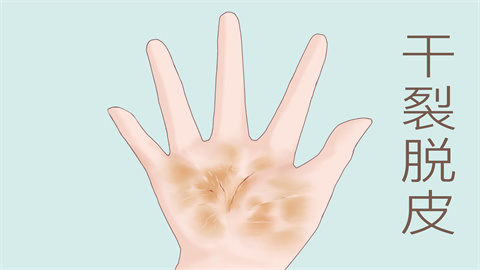
Generally, peeling and cracking of the skin on fingertips may be caused by dryness and dehydration, frequent exposure to irritants, tinea manuum (fungal infection), dyshidrotic eczema (pompholyx), or contact dermatitis. Depending on the specific situation, patients can improve symptoms through general care, medications, or other treatments. Detailed analysis is as follows:
1. Dry and Dehydrated Skin
Dry climate or insufficient water intake can lead to moisture loss in the stratum corneum of fingertip skin, reducing its elasticity and making it prone to peeling and cracking. Ensure adequate daily water intake. After handwashing, promptly apply a hand cream containing ceramides. Before bedtime, apply a thick layer of hand cream and wear cotton gloves to enhance absorption.
2. Frequent Exposure to Irritants
Repeated contact with chemical substances such as detergents and disinfectants damages the skin barrier on fingertips, leading to dryness, peeling, and even fissures. Wear waterproof gloves when doing household chores to minimize direct contact. After exposure, wash hands with a gentle hand cleanser and apply moisturizing hand cream.
3. Tinea Manuum (Fungal Infection)
Fungal infection of the fingertip skin disrupts skin structure and triggers an inflammatory response, resulting in peeling, cracking, and itching. Under medical guidance, use antifungal medications such as terbinafine hydrochloride cream, bifonazole gel, or itraconazole capsules. Use personal towels separately to prevent spreading the infection.
4. Dyshidrotic Eczema (Pompholyx)
Blockage of sweat gland ducts in the hands causes sweat retention and subsequent inflammation. After small blisters dry up, peeling and cracking occur on the fingertips. Avoid scratching. Follow medical advice to use calamine lotion, mometasone furoate cream, or loratadine tablets. Keep hands dry and well-ventilated.
5. Contact Dermatitis
Exposure to allergens such as metals or cosmetics activates the immune system, causing inflammation. Symptoms include redness, peeling, and cracking of the fingertip skin. Avoid known allergens and follow medical recommendations for treatment with topical agents like desonide cream, cetirizine hydrochloride tablets, or hydrocortisone butyrate cream.
The skin on fingertips is delicate and requires careful daily care. Minimizing irritation and maintaining proper hydration are fundamental. If peeling and cracking persist or worsen, or are accompanied by significant pain, do not self-medicate. Seek timely medical evaluation for accurate diagnosis and targeted treatment.




