


Raised bump in the middle of the big toenail
Mar 25, 2023
Source: Cainiu Health

Dr. Chen Jian
Introduction
A raised bump in the middle of the big toenail may be caused by ill-fitting shoes, trauma, nutritional deficiencies, onychomycosis (fungal nail infection), or paronychia. Improvements can be made depending on the specific cause. It is recommended to seek timely medical attention and receive treatment under a doctor's guidance. Choose properly sized, loose, and comfortable footwear to provide adequate space for the toes and reduce pressure on the toenails.
Midline elevation of the big toenail may be caused by ill-fitting shoes, trauma, nutritional deficiencies, onychomycosis (fungal nail infection), or paronychia, and improvements can be made according to the specific cause. It is recommended to seek timely medical evaluation and treatment under the guidance of a doctor.
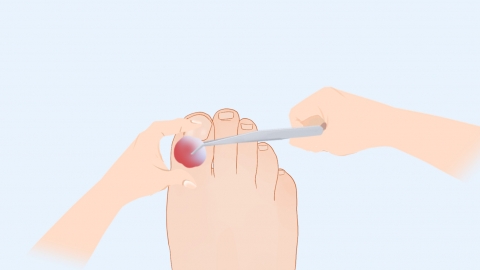
1. Ill-Fitting Shoes
Wearing shoes that are too tight, too small, or have narrow toe boxes for prolonged periods can compress the big toe, exerting external pressure on the toenail and causing it to bulge in the middle. It is advisable to choose properly sized, spacious, and comfortable footwear, avoid wearing high heels or pointed-toe shoes for long durations, and allow sufficient room for the toes to reduce pressure on the nails.
2. Trauma
After the big toe suffers trauma such as being struck by a heavy object or experiencing impact, subungual hemorrhage (bleeding under the nail) or injury to the nail bed may occur, leading to a raised center of the toenail. Immediately after injury, apply cold compresses to the affected area to help reduce pain and swelling.
3. Nutritional Deficiency
Lack of essential nutrients may impair normal nail growth, resulting in thinning, deformity, and central elevation of the toenail. Adjust your diet by consuming more foods rich in calcium, iron, zinc, and other trace elements and vitamins, such as milk, soy products, lean meat, fish, fresh vegetables, and fruits.
4. Onychomycosis (Fungal Nail Infection)
Onychomycosis is usually caused by fungal infections, commonly dermatophytes. Once fungi invade the toenail, they grow and multiply within it, disrupting its normal structure, leading to nail thickening, deformation, and central elevation. It is recommended to use antifungal medications such as itraconazole capsules, terbinafine hydrochloride cream, or amorolfine hydrochloride solution under a doctor’s supervision to relieve symptoms.
5. Paronychia
Paronychia often results from improper nail trimming or wearing overly tight shoes, which can lead to infection of the tissue surrounding the toenail and trigger an inflammatory response. This inflammation may disrupt normal nail growth, causing the nail to become elevated in the center. Patients may follow medical advice to use topical or oral medications such as mupirocin ointment, fusidic acid cream, or cefprozil tablets to alleviate symptoms.
In daily life, maintain healthy habits, avoid excessive fatigue, and refrain from intense physical activity to prevent discomfort. It is recommended to engage appropriately in mild exercises such as walking or jogging based on individual health conditions, which can help enhance immunity and support recovery.





