


What causes dry, bumpy skin on the arms in winter, and what should be done about it?
Dec 01, 2025
Source: Cainiu Health

Dr. Liu Wenmin
Introduction
In general, dry arms with small bumps during winter may be caused by factors such as dry climate, excessive cleansing, asteatotic eczema, keratosis pilaris, or contact dermatitis. Treatment methods such as general care or medication can be selected based on the specific situation. It is important to maintain indoor humidity between 40% and 60%, which can be achieved using a humidifier, and to wear loose, breathable clothing.
Generally, dryness and small bumps on the arms during winter may be caused by factors such as dry climate, excessive cleansing, asteatotic eczema, keratosis pilaris, or contact dermatitis. Depending on the specific situation, improvements can be achieved through general care, medication, or other treatments. A detailed analysis is as follows:
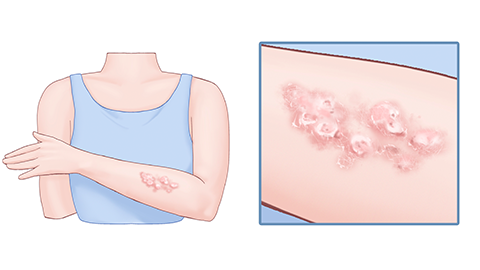
1. Dry Climate
In winter, low humidity causes rapid moisture loss from the skin on the arms, leading to dry, rough stratum corneum and the formation of tiny bumps. Reduce bathing frequency, keep water temperature around 37°C, and promptly apply a glycerin-based moisturizer after bathing to lock in moisture.
2. Excessive Cleansing
Frequent use of strong cleansing products can damage the skin's natural oil barrier, resulting in dry, sensitive skin with bumps. Discontinue using irritating body washes, switch to gentle, soap-free cleansers, and focus on applying moisturizer to dry areas like the arms after washing.
3. Asteatotic Eczema
Reduced sebum production weakens the skin barrier, triggering inflammation that manifests as pale red bumps accompanied by itching. Wear loose, cotton clothing, and follow medical advice to apply topical medications such as urea-vitamin E cream or desonide cream, and take oral loratadine capsules if prescribed.
4. Keratosis Pilaris
Abnormal keratinization around hair follicles leads to keratin buildup, forming small, pinhead-sized bumps that worsen in dry winter conditions. Avoid scratching, and follow medical guidance to use topical tretinoin cream or salicylic acid ointment, along with oral vitamin A softgel supplements.
5. Contact Dermatitis
Exposure to allergens in wool clothing or skincare products can trigger skin inflammation, causing red, itchy bumps. Avoid known irritants, and as directed by a doctor, apply topical hydrocortisone butyrate cream or tacrolimus ointment, and take oral cetirizine hydrochloride tablets.
Maintain indoor humidity between 40% and 60% using a humidifier, wear loose, breathable clothing to minimize friction, and consume a diet rich in vitamins. If the bumps persist or itching worsens, seek medical attention promptly.





