


How to treat redness and chafing in the inner thigh area during hot weather
Dec 01, 2025
Source: Cainiu Health

Dr. Liu Wenmin
Introduction
In general, treatment for chafing and redness in the groin area during hot weather mainly includes local skin care, clothing adjustments, environmental improvements, medication, and dietary modifications. Additionally, scratching the affected area should be avoided during treatment to prevent skin damage and potential infection. If symptoms such as increased redness, swelling, pain, or fluid discharge occur, prompt medical attention is recommended. As part of daily care, a gentle moisturizer can be applied to areas prone to friction.
Under normal circumstances, treatment methods for chafed and reddened inner thighs during hot weather mainly include local skin care, clothing adjustments, environmental improvements, medication, and dietary regulation. The specific analysis is as follows:
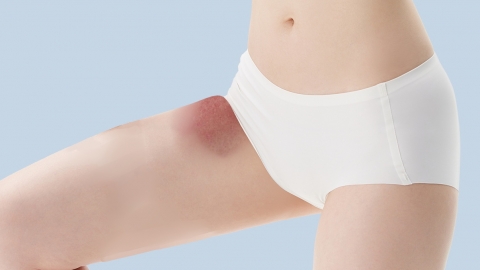
1. Local Skin Care
After the skin on the inner thigh becomes red due to friction, its protective barrier is compromised and more susceptible to irritation from sweat, worsening discomfort. Gently clean the affected area with lukewarm water, avoiding harsh or irritating cleansers. Pat dry with a clean towel after washing—do not rub vigorously. Keeping the area clean and dry helps minimize further friction and sweat accumulation, creating an optimal environment for skin healing.
2. Clothing Adjustments
Tight, non-breathable clothing can continuously irritate damaged skin and delay recovery. Opt for loose-fitting, breathable garments made from soft, skin-friendly fabrics such as cotton or modal, which reduce friction and help absorb sweat. Avoid wearing synthetic materials or tight jeans that may aggravate irritation. Clothes should be changed and washed frequently.
3. Environmental Improvements
Hot and humid environments increase sweating, exacerbating redness and inflammation caused by skin friction. Use air conditioning or fans indoors to lower temperature and humidity levels and improve air circulation. When going outdoors, avoid peak heat hours, limit prolonged walking or standing, and reduce continuous pressure and rubbing on the affected area.
4. Medication
Medications can effectively relieve inflammation and discomfort caused by friction. Patients may use calamine lotion, mupirocin ointment, or hydrocortisone butyrate cream as directed by a healthcare provider to promote healing.
5. Dietary Regulation
Spicy or irritating foods may aggravate skin sensitivity and impair healing. Maintain a light diet rich in fresh vegetables and fruits high in vitamins, such as oranges, spinach, and broccoli. Vitamins help strengthen skin resistance and support skin cell regeneration. Drink plenty of water to stay hydrated and maintain normal skin metabolism.
In addition, scratching the affected area should be avoided during treatment to prevent skin breaks and potential infection. If symptoms such as increased redness, pain, or fluid discharge occur, seek medical attention promptly. Applying a gentle moisturizer to areas prone to friction in daily life can also help reduce direct skin-to-skin contact and irritation.







