


How to Prevent Heatstroke in Hot Weather
Nov 24, 2025
Source: Cainiu Health

Dr. Wang Lei
Introduction
Under normal circumstances, the main ways to prevent heatstroke in hot weather include proper hydration, avoiding peak heat hours, dressing appropriately, regulating environmental temperature, and eating a light diet. If any discomfort symptoms occur, it is recommended to seek timely medical treatment at a正规 hospital. Elderly people, children, and patients with chronic diseases have weaker constitutions and require extra protective measures. When going outdoors, carry sunshades such as umbrellas or wear sun hats.
Under normal circumstances, the main ways to prevent heatstroke during hot weather include proper hydration, avoiding high-temperature periods, dressing appropriately, regulating indoor temperature, and maintaining a light diet. If any discomfort occurs, it is recommended to seek timely medical treatment at a正规 hospital. Specific measures are analyzed as follows:
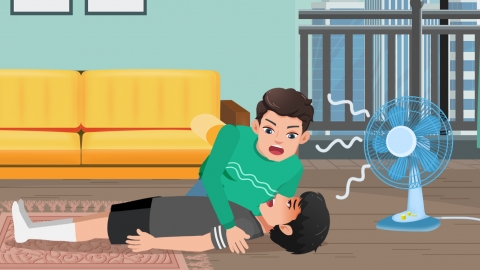
1. Proper Hydration
Under high temperatures, the body sweats heavily and loses water quickly. Timely rehydration helps maintain normal body temperature regulation. It is recommended to drink small amounts of warm water or lightly salted water frequently. Avoid drinking large quantities at once, which may dilute gastric juices and lead to electrolyte imbalances causing discomfort.
2. Avoid High-Temperature Periods
The highest temperatures typically occur between 10 a.m. and 4 p.m., when sunlight is most intense and direct. During this time, the body's heat production can easily exceed its ability to dissipate heat. Minimize outdoor activities; if going out is necessary, plan routes carefully and take frequent breaks in shaded areas to reduce heat exposure.
3. Dress Appropriately
Choose loose, breathable clothing made of cotton or linen materials, which facilitate heat dissipation and promote evaporation of sweat from the skin. Avoid tight-fitting or dark-colored clothes—dark colors absorb more solar heat, while tight garments hinder sweat evaporation, increasing the risk of heatstroke.
4. Regulate Indoor Temperature
Use air conditioning or fans to lower indoor temperatures. The air conditioner is best set around 26°C to avoid excessive temperature differences. Open windows regularly to ventilate and ensure air circulation, allowing indoor heat to be expelled promptly and creating a cool, comfortable environment.
5. Maintain a Light Diet
Spicy and greasy foods increase gastrointestinal burden and may elevate body temperature. Consume more water-rich fruits and vegetables such as watermelon and cucumber, as well as heat-relieving foods like mung bean soup, to help cool the body and replenish nutrients.
Older adults, children, and patients with chronic diseases have weaker constitutions and require extra protective measures. When going outdoors, carry sunshades, wear wide-brimmed hats, and keep emergency medications such as Angong Niuhuang Pills on hand. If early symptoms such as dizziness or nausea appear, immediately move to a cool, shaded area to rest and rehydrate. If symptoms persist, seek medical attention promptly.





