


Is anxiety disorder more likely to flare up in hot weather?
Nov 17, 2025
Source: Cainiu Health

Dr. Zhang Baohua
Introduction
In general, whether hot weather can easily trigger anxiety attacks depends on individual circumstances. If symptoms worsen, it is advisable to seek medical attention promptly. During periods of high temperature, try to minimize outdoor activities around midday and take proper sun protection and cooling measures when going outside. Keep indoor areas well-ventilated, use air conditioning or fans appropriately, and avoid excessively high temperatures. Drink plenty of warm water to stay hydrated, and maintain a light, easily digestible diet.
Generally speaking, whether hot weather can easily trigger anxiety attacks depends on individual circumstances. If symptoms worsen, it is recommended to seek medical help promptly. The detailed analysis is as follows:
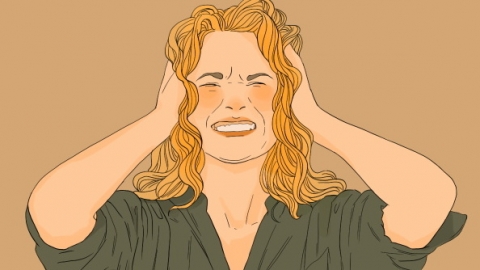
For individuals with a history of anxiety disorder, poor emotional regulation, or low tolerance to high temperatures, hot weather may easily trigger anxiety episodes. High temperatures can increase heart rate and reduce sleep quality, intensifying feelings of restlessness. Prolonged exposure to hot, stuffy environments may also lead to symptoms such as palpitations and rapid breathing, causing anxiety to recur or even worsen.
For those without a history of anxiety, who have strong emotional regulation skills and take effective heat-protection measures, hot weather generally does not trigger anxiety attacks. These individuals can maintain physical comfort through proper cooling methods, are less affected by environmental changes, and can quickly relieve temporary irritability by drinking water, improving ventilation, and similar measures, thus preventing the onset of an anxiety episode.
During hot weather, try to avoid going outdoors at midday. When going outside, take proper sun protection and cooling precautions. Keep indoor areas well-ventilated, and use air conditioning or fans appropriately to prevent excessive heat. Drink plenty of warm water to stay hydrated, eat light and easily digestible meals, and avoid spicy or stimulating foods. When feeling irritable, calming techniques such as listening to soothing music or practicing deep breathing can help. Family members should pay attention to emotional changes and provide companionship to create a cool and comfortable environment.





