


What causes black, hard pinhole-like holes on the face, and how should they be treated?
Dec 01, 2025
Source: Cainiu Health

Dr. Liu Wenmin
Introduction
Black, hard pinhole-like pits on the face may be caused by clogged pores, accumulated dead skin cells, blackheads, sebaceous cysts, or nodules left after folliculitis healing. These can be improved through cleansing, exfoliation, and medical treatments. If the pits deepen, become red, swollen, painful, or increase in size, prompt medical attention is necessary. Overactive sebaceous glands produce excess oil, which mixes with dust and dead skin cells to block pores.
Black, hard pinhole-like pits on the face may result from clogged pores, accumulated dead skin, blackheads, sebaceous cysts, or nodules left after folliculitis healing. These can be improved through proper cleansing, exfoliation, and medical treatments. If the pits deepen, become red, swollen, painful, or spread in area, prompt medical attention is necessary.
1. Clogged Pores: Overactive sebaceous glands produce excess oil that mixes with dust and dead skin cells, blocking pores and forming black, hard, pinhead-sized bumps with a rough texture. It is recommended to cleanse the face daily with a gentle facial cleanser, perform regular deep-cleaning routines, and avoid using oily skincare products.
2. Dead Skin Accumulation: Slow turnover of facial skin cells leads to buildup at pore openings. Over time, this oxidizes, turning dark and hard, resulting in pinhole-like depressions. It is advised to use a mild exfoliating product 1–2 times per week to promote shedding of dead skin, followed by timely hydration and moisturization to restore the skin barrier.
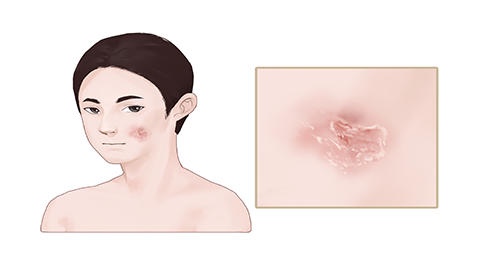
3. Blackheads: Abnormal keratinization of the hair follicle sebaceous duct prevents sebum from draining properly. The trapped sebum accumulates and oxidizes, forming black, firm, pinhole-like pits; squeezing may reveal a sebaceous plug. Under medical guidance, topical medications such as adapalene gel, tretinoin cream, or benzoyl peroxide gel can be used to improve symptoms.
4. Sebaceous Cyst: Blockage of the sebaceous gland duct causes sebum to accumulate, forming a cystic nodule. The top may have a black, needle-point opening and feel firm. Patients can use medications such as erythromycin ointment, mupirocin ointment, or cefradine capsules under medical supervision to relieve discomfort.
5. Nodules After Folliculitis Healing: Bacterial infection of facial hair follicles causes inflammation, which after healing may leave behind pigmented, firm nodules with central pinhole-like indentations. As directed by a physician, topical treatments such as centella asiatica glycoside cream, polysulfated glycosaminoglycans cream, or vitamin E cream may help improve symptoms.
Maintain clean and dry facial skin, avoid squeezing or frequently touching affected areas, choose lightweight, non-comedogenic skincare products, eat a light diet rich in vitamin-containing fruits and vegetables, reduce intake of spicy and greasy foods, and maintain regular sleep patterns to protect the skin barrier.




