


Can the black part under abalone be eaten?
Dec 12, 2025
Source: Cainiu Health

Dr. Huang Yuhong
Introduction
In general, whether the black part underneath an abalone is edible depends on the specific nature of that black portion. If there is any doubt or if discomfort occurs after consumption, it is recommended to seek medical attention promptly. When purchasing, opt for live abalones with intact shells and firm flesh. During preparation, carefully distinguish the nature of the black part, and ensure thorough cooking—avoid eating raw or undercooked abalone.
Generally, whether the black part underneath an abalone is edible depends on the specific nature of the black portion. If there is any doubt or if discomfort occurs after consumption, it is advisable to seek medical attention promptly. The detailed analysis is as follows:
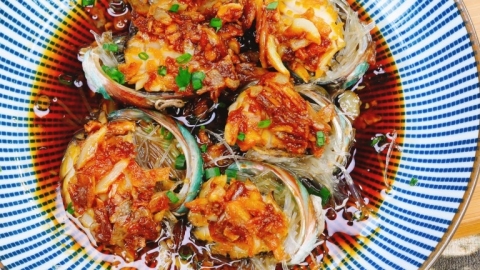
If the black portion consists of the abalone's internal organs or natural pigment deposits, and the abalone is fresh with no unpleasant odor from the viscera, it is safe to eat after being thoroughly cooked. This type of black part is rich in protein and trace elements, with a soft and tender texture. During preparation, remove the green digestive gland within the viscera, retain only the intact black organ tissue, ensure thorough cleaning, and cook at high temperatures until fully done.
If the black portion results from dirt, attached algae on the shell or body surface, or appears dark and sticky due to spoilage, it should not be consumed. Dirt may carry bacteria, and spoiled, discolored areas can produce harmful substances that may cause gastrointestinal discomfort after ingestion. Such parts should be thoroughly scrubbed off with a brush or the deteriorated sections should be cut away completely.
When purchasing, prioritize live abalones with intact shells and firm, elastic flesh. Carefully distinguish the nature of the black portions during preparation, and always ensure thorough cooking—avoid raw or undercooked consumption—to guarantee food safety.



