


What causes sudden facial flushing, heat sensation, and sweating, and what should be done about it?
Dec 01, 2025
Source: Cainiu Health

Dr. Liu Wenmin
Introduction
In general, sudden facial flushing, heat sensation, and sweating may be caused by emotional fluctuations stimulating the sympathetic nervous system, abrupt environmental changes triggering bodily regulatory responses, menopausal syndrome, hyperthyroidism, autonomic nervous system dysfunction, or other reasons. It is recommended to seek medical attention promptly, identify the underlying cause, and then improve symptoms through general measures, medication, or other treatments under a doctor's guidance.
Generally, sudden facial flushing, heat sensation, and sweating may be caused by emotional fluctuations stimulating the sympathetic nervous system, environmental changes triggering bodily regulatory responses, menopausal syndrome, hyperthyroidism, autonomic dysfunction, or other reasons. It is recommended to seek medical attention promptly, identify the underlying cause, and then improve symptoms under a doctor's guidance through general management, medication, and other approaches. Specific causes are analyzed as follows:
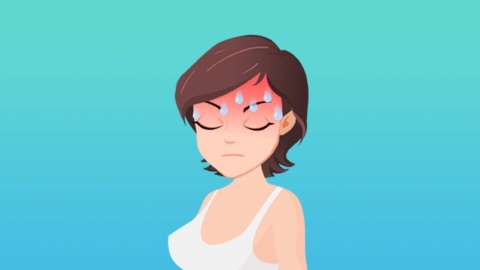
1. Emotional fluctuations stimulating the sympathetic nervous system: Sudden tension, excitement, or anxiety can activate the sympathetic nervous system, leading to facial vasodilation and increased sweat gland secretion, causing discomfort. Immediately stop current activities, sit down in a quiet environment, practice slow deep breathing to calm emotions, or listen to soothing music to divert attention.
2. Environmental changes triggering physiological regulation: Moving suddenly from a cold to a hot environment, or staying for prolonged periods in a stuffy, hot space, can prompt the body to dissipate heat, resulting in facial flushing, warmth, and sweating. Quickly move to a cool, well-ventilated area, loosen clothing (e.g., unbutton the collar) to enhance heat dissipation, and drink moderate amounts of room-temperature water to rehydrate.
3. Menopausal syndrome: In women, declining ovarian function leads to hormonal fluctuations and abnormal vasomotor regulation, frequently causing facial flushing and similar symptoms. Patients should follow medical advice to take medications such as estradiol tablets, Kuntai capsules, or oryzanol tablets. Maintain regular sleep patterns and avoid staying up late; increase dietary intake of soy products to supplement plant-based estrogens.
4. Hyperthyroidism: Excessive secretion of thyroid hormones accelerates metabolism and overstimulates the sympathetic nervous system, manifesting as facial flushing, excessive sweating, and palpitations. Patients should take medications as prescribed, such as methimazole tablets, propylthiouracil tablets, or propranolol tablets. Avoid high-iodine foods like kelp and nori, and have thyroid function tests regularly.
5. Autonomic nervous system dysfunction: Prolonged stress or irregular lifestyle can disrupt neural regulation, leading to abnormal blood vessel and sweat gland activity. Patients should take medications as directed by a physician, such as vitamin B1 tablets, mecobalamin tablets, or oryzanol tablets. Engage in 30 minutes of aerobic exercise daily and soak feet before bedtime to improve sleep quality.
Maintain a light diet, reduce intake of spicy and irritating foods, and consume more fresh fruits and vegetables to supplement vitamins. Keep regular作息 (daily routines), avoid excessive fatigue, learn to manage stress, maintain a positive mood, and use comprehensive lifestyle adjustments to reduce the frequency of symptom episodes.




