


What causes a thin, long, soft flesh tag under the armpit, and what should be done about it?
Dec 01, 2025
Source: Cainiu Health

Dr. Liu Wenmin
Introduction
In general, a thin, long, soft skin tag under the arm may be caused by prolonged friction, skin aging, fibromas, filiform warts, or molluscum contagiosum. It is recommended to seek medical attention promptly, identify the underlying cause, and then improve the condition through general measures or medication as directed by a doctor. In daily life, keep the underarm area clean and dry, and wipe or wash the area promptly after sweating.
Under normal circumstances, the appearance of a thin, long, soft thread-like growth in the armpit may be caused by prolonged friction, skin aging, soft fibroma, filiform warts, or molluscum contagiosum. It is recommended to seek medical attention promptly to determine the underlying cause and, under a doctor's guidance, improve the condition through general care, medication, or other treatments. Specific analyses are as follows:
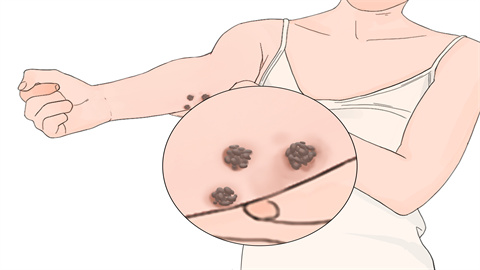
1. Prolonged Friction: Wearing tight clothing frequently or repeatedly raising the arms can lead to repeated friction on the armpit skin, stimulating local fibrous tissue proliferation and forming a thread-like growth. Immediately switch to loose, breathable cotton clothing, avoid tight contact between clothes and the armpits, reduce the frequency of arm lifting, and apply a gentle moisturizing lotion after daily cleansing to protect the skin.
2. Skin Aging: As people age, skin elasticity decreases and collagen is lost, leading to loose armpit skin and abnormal fibrous tissue overgrowth that forms a thread-like growth. Increase intake of collagen-rich foods such as pig trotters and white fungus (tremella), massage the armpit area daily to promote blood circulation, and practice sun protection when outdoors to slow down skin aging.
3. Soft Fibroma: This results from benign proliferation of cutaneous fibrous tissue. The growth is soft in texture and non-tender, often associated with friction or obesity. If it affects daily life, laser ablation may be performed, using high-energy heat to remove the growth, or cryosurgery may be chosen to destroy the proliferative tissue with low temperatures. Keep the surgical site dry after treatment.
4. Filiform Warts: Caused by human papillomavirus (HPV) infection, these growths have a rough surface and are contagious, often spreading due to scratching. Patients should follow medical advice to use medications such as imiquimod cream, recombinant human interferon α2b gel, or acyclovir tablets. Avoid touching the growths with hands and use separate towels to prevent cross-infection.
5. Molluscum Contagiosum (Skin Soft Wart): Viral infection causes soft, raised lesions; the tip of the growth may be indented, and squeezing may release a white substance. Patients may use tretinoin cream, salicylic acid ointment, or valacyclovir hydrochloride tablets as directed by a physician. Alternatively, they may undergo lesion removal using forceps—removing the wart with hemostatic clamps followed by iodine disinfection.
Maintain cleanliness and dryness of the armpit area, wiping or washing promptly after sweating. Avoid trimming or pulling the growth yourself to prevent injury and infection. Maintain regular sleep patterns to boost immunity, eat a light diet avoiding spicy and irritating foods, and practice scientific skincare to reduce the risk of recurrence.







