


What causes a hard, painful lump on a pregnant woman's buttocks, and what should be done about it?
Dec 01, 2025
Source: Cainiu Health

Dr. Liu Wenmin
Introduction
In general, a hard and painful lump on the buttocks during pregnancy may be caused by local pressure, inadequate hygiene, folliculitis, perianal abscess, infected sebaceous cyst, or other reasons. Depending on the specific situation, patients can consider treatments such as conservative management, medication, or surgical intervention to improve symptoms. Due to the unique physiological state during pregnancy, self-medication should be avoided when a hard lump appears on the buttocks. Maintaining proper sitting posture and good hygiene habits in daily life is recommended.
Generally, a hard and painful lump on the buttocks of a pregnant woman may be caused by local pressure, inadequate hygiene, folliculitis, perianal abscess, or infected sebaceous cysts. Depending on the specific situation, patients can improve the condition through general management, medication, or surgical treatment. Detailed analysis is as follows:
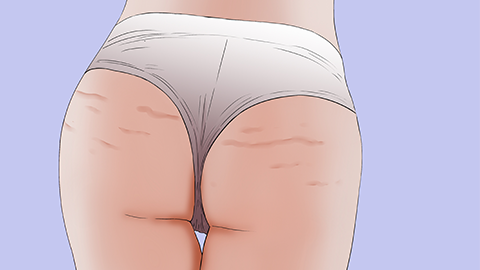
1. Local Pressure
During pregnancy, increased body weight and prolonged sitting can compress local tissues in the buttocks, leading to poor blood circulation, resulting in induration and pain. Avoid sitting for long periods; stand up and move every 30 minutes. Use soft, breathable seating, and apply warm compresses with a towel to the affected area before bedtime.
2. Inadequate Hygiene
Sweat and secretions accumulating on the buttocks can irritate the skin and trigger local inflammation, forming a painful hard lump. Wash the buttocks daily with warm water, wear loose cotton underwear, change it frequently, and keep the area dry and well-ventilated.
3. Folliculitis
Infection of hair follicles leads to inflammation, presenting as red, hard lumps accompanied by pain or tenderness. Under medical guidance, topical antibiotics such as mupirocin ointment, fusidic acid cream, or erythromycin ointment can be applied. Do not squeeze the affected area.
4. Perianal Abscess
Infection of anal glands spreads to surrounding tissues, forming an abscess characterized by a hard, painful lump, often accompanied by fever. Follow doctor’s instructions to take oral antibiotics such as penicillin V potassium tablets, cefradine capsules, or amoxicillin capsules. Once the abscess matures, incision and drainage surgery are required.
5. Infected Sebaceous Cyst
Obstruction of sebaceous gland ducts forms a cyst, which becomes infected and results in a painful hard lump. During the infection phase, treatments under medical supervision may include clindamycin gel, cefuroxime axetil tablets, or compound polymyxin B ointment. After controlling the inflammation, surgical excision of the sebaceous cyst can be performed.
Pregnancy involves unique physiological changes, so self-medication for a hard lump on the buttocks should be avoided. Maintain proper sitting posture and good hygiene habits, eat a light diet rich in fruits and vegetables. If the lump enlarges, pain worsens, or fever develops, seek immediate medical attention to ensure the safety of both mother and baby.




