


What are the methods for preventing infectious diseases?
Dec 03, 2025
Source: Cainiu Health

Dr. Ren Yi
Introduction
Common methods for preventing infectious diseases include vaccination, maintaining personal hygiene, controlling sources of infection, improving environmental sanitation, and strengthening health surveillance. Vaccination is one of the most effective means of preventing infectious diseases; it works by stimulating the body to produce antibodies, enhancing immunity against specific pathogens, and reducing the risk of infection—particularly beneficial for susceptible populations such as children and the elderly.
Methods for preventing infectious diseases generally include vaccination, maintaining personal hygiene, controlling sources of infection, improving environmental sanitation, and strengthening health monitoring. The details are as follows:
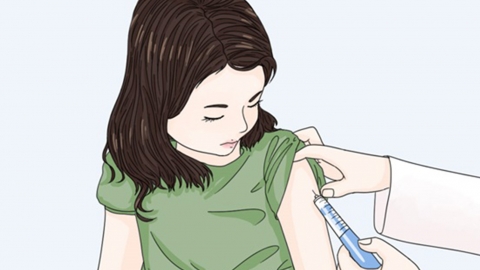
1. Vaccination: Vaccines are one of the most effective ways to prevent infectious diseases. They stimulate the body to produce antibodies, enhance immunity against specific pathogens, and reduce the risk of infection. This is especially effective for vulnerable populations such as children and the elderly.
2. Maintaining personal hygiene: Frequently washing hands, bathing, and changing clothes; avoiding touching the mouth, nose, and eyes with hands; covering the mouth and nose with a tissue when coughing or sneezing—these habits help reduce contact with pathogens and block transmission routes.
3. Controlling sources of infection: Once infectious disease patients or carriers are identified, they should be isolated and treated promptly to prevent contact with healthy individuals. Meanwhile, contaminated items and environments should be thoroughly disinfected to prevent the spread of pathogens.
4. Improving environmental sanitation: Regularly cleaning living and working environments, ensuring good ventilation, reducing breeding sites for mosquitoes and flies, and enhancing hygiene management in public places such as schools and hospitals can lower the likelihood of disease transmission.
5. Strengthening health monitoring: Pay attention to your own and your family's health. Seek medical care promptly if symptoms such as fever or cough appear. Avoid going to work or school while ill to prevent spreading pathogens to others.
In daily life, it is important to develop good living habits, including a balanced diet, moderate exercise, and sufficient sleep, to boost physical resistance. During peak seasons for infectious diseases, avoid crowded places, wear masks when going out, and take proper self-protective measures.




