What are the side effects of rabies immune globulin?
Dec 03, 2025
Source: Cainiu Health

Dr. Li Feng
Introduction
In general, possible side effects during the use of rabies immunoglobulin may include redness and swelling at the injection site, skin allergic reactions, mild fever, headache, dizziness, nausea, and vomiting. Rabies immunoglobulin should be used strictly as directed by a physician. If side effects occur, there is no need for excessive concern; however, symptoms should be closely monitored for any changes.
In general, when using rabies immunoglobulin, possible side effects may include redness and swelling at the injection site, skin allergic reactions, mild fever, headache and dizziness, nausea and vomiting. The details are as follows:
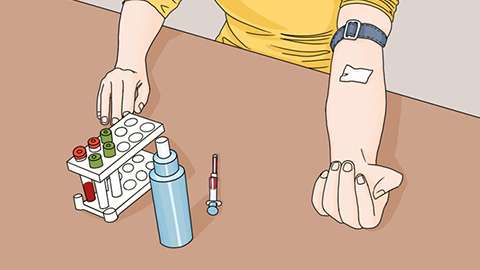
1. Redness and swelling at the injection site: This is a relatively common local reaction, usually appearing within several hours after injection, manifesting as redness, swelling, slight pain, or itching at the injection site. The symptoms are generally mild and resolve spontaneously within a few days. Avoiding scratching can reduce local irritation.
2. Skin allergic reactions: Some individuals may develop allergic skin reactions, such as hives or rashes, either localized or generalized, accompanied by noticeable itching. These reactions are often related to individual immune responses and typically occur 1–2 days after administration. Symptoms usually improve quickly with timely management.
3. Mild fever: A small number of people may experience low-grade fever after taking the medication, with body temperature ranging between 37.3°C and 38°C, along with mild fatigue. The fever is usually a normal immune response to the drug, lasting for about 1–2 days. No specific treatment is required; adequate rest allows spontaneous recovery.
4. Headache and dizziness: Some users may experience mild headache or dizziness, which does not interfere with normal daily activities. These symptoms may be related to mild stimulation of the nervous system by the drug and are typically short-lived, significantly improving after rest.
5. Nausea and vomiting: A minority of individuals may have gastrointestinal reactions after administration, such as nausea, mild vomiting, or occasional loss of appetite. These reactions are usually transient and associated with irritation of the gastrointestinal mucosa by the drug. A light diet can help alleviate discomfort.
Rabies immunoglobulin should be used strictly according to medical instructions. There is no need for excessive concern if side effects occur; instead, monitor changes in symptoms closely. Maintaining a light diet and regular作息 (daily routine) can help the body better adapt to the drug's effects.