What are the risks of old pulmonary tuberculosis?
Dec 02, 2025
Source: Cainiu Health

Dr. Ren Yi
Introduction
Although inactive pulmonary tuberculosis represents a stable condition after recovery from tuberculosis, it still poses risks such as structural lung damage, disease recurrence, secondary infections, reduced lung function, and psychological burden. Patients should undergo regular pulmonary evaluations and maintain healthy lifestyle habits to enhance immunity, thereby reducing the likelihood of complications and preserving lung health.
Although inactive pulmonary tuberculosis represents a stable condition after recovery from tuberculosis, it still poses several risks, including structural lung damage, risk of disease recurrence, potential for secondary infections, reduced lung function, and psychological burden. The specific analysis is as follows:
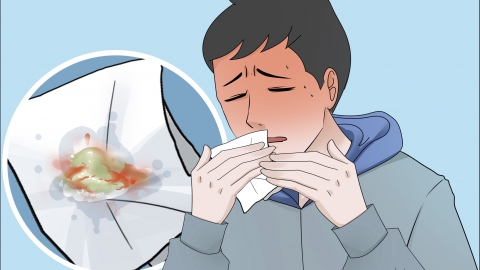
1. Structural lung damage: Inactive pulmonary tuberculosis may leave behind fibrous cords, calcified foci, and hardened lesions, which permanently disrupt normal lung structure. Fibrous cords can pull on surrounding lung tissue, causing localized contraction. In severe cases, this may lead to pleural thickening and adhesions, resulting in recurrent chest pain.
2. Risk of disease recurrence: A small number of dormant Mycobacterium tuberculosis bacteria may remain within the lesions. When immunity decreases—due to factors such as excessive fatigue, malnutrition, or underlying illnesses—these bacteria may reactivate, leading to a relapse of pulmonary tuberculosis.
3. Potential for secondary infections: After structural damage to the lungs, local defense mechanisms are weakened, making the lungs more vulnerable to invasion by other pathogens such as bacteria and viruses. This can result in secondary infections like pneumonia or bronchitis. Symptoms such as cough, sputum production, and fever may appear, further increasing the burden on the lungs and creating a vicious cycle.
4. Decline in lung function: As the number or extent of lung lesions increases, the ventilation and gas exchange functions of the lung tissue gradually deteriorate. Initially, patients may only experience shortness of breath and fatigue after intense physical activity. In later stages, breathing difficulties may occur even at rest, impairing daily activities and reducing quality of life.
5. Psychological burden: Some patients may develop anxiety or depression due to concerns about disease recurrence or transmitting infection to others, or because of recurring respiratory discomfort. Prolonged psychological stress can negatively affect sleep and emotional well-being, which in turn may weaken immune function and increase the risk of disease relapse.
Patients should undergo regular follow-up examinations and maintain healthy lifestyle habits to strengthen immunity, thereby reducing the likelihood of complications and preserving lung health.