


Can hepatitis B be completely cured?
Dec 02, 2025
Source: Cainiu Health

Dr. Gao Jun
Introduction
In general, hepatitis B cannot be completely cured, but the condition can be effectively controlled through standardized treatment, and some patients may achieve clinical cure. During treatment, it is essential to strictly follow medical instructions regarding medication; stopping or adjusting the dosage without guidance should be avoided to prevent viral rebound. In terms of diet, patients should consume adequate high-quality protein such as eggs and milk, as well as fresh fruits and vegetables, while avoiding high-fat and high-sugar foods.
Generally, hepatitis B cannot be completely cured under normal circumstances, but the condition can be effectively controlled through standardized treatment, and some patients may achieve clinical cure. The details are as follows:
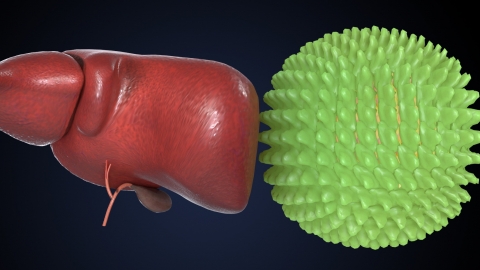
Hepatitis B is difficult to eradicate completely because the hepatitis B virus integrates into the genome of liver cells, forming covalently closed circular DNA (cccDNA), which current medications cannot entirely eliminate. However, standardized antiviral therapy can suppress viral replication, reduce liver inflammation and damage, and prevent disease progression to cirrhosis or liver cancer. After long-term treatment, some patients may become negative for hepatitis B surface antigen (HBsAg) and develop antibodies, maintain persistently normal liver function, and have undetectable viral load, thereby achieving clinical cure.
During treatment, it is essential to strictly follow medical instructions regarding medication; stopping or adjusting dosage arbitrarily should be avoided to prevent viral rebound. In terms of diet, consume adequate high-quality proteins such as eggs and milk, along with fresh fruits and vegetables, while avoiding high-fat and high-sugar foods. Alcohol consumption must be strictly prohibited to reduce the metabolic burden on the liver. Maintain a regular lifestyle, avoid staying up late and excessive fatigue, and engage in appropriate physical activity to strengthen overall health. Regular follow-up tests—including liver function and viral load—should be conducted to monitor disease progression and adjust treatment plans promptly.


