


What should I do if I have a fever after receiving the hepatitis A vaccine?
Dec 02, 2025
Source: Cainiu Health

Dr. Ren Yi
Introduction
Fever after hepatitis A vaccination is usually a normal immune response, so there's no need to be overly concerned. It is recommended to promptly measure body temperature, use physical cooling methods to relieve symptoms, drink adequate fluids, ensure sufficient rest, and monitor changes in symptoms. However, if the fever exceeds 38.5°C and lasts for more than three days, or is accompanied by severe headache, vomiting, or other serious symptoms, medical attention should be sought promptly.
After receiving the hepatitis A vaccine, if a fever occurs, it is important to promptly measure body temperature, use physical cooling methods to relieve symptoms, moderately replenish fluids, ensure adequate rest, and monitor changes in symptoms. In most cases, this is a normal immune response to the vaccine and does not require excessive concern. However, if the fever exceeds 38.5°C and lasts for more than three days, or is accompanied by severe headache, vomiting, or other serious symptoms, medical attention should be sought promptly.
1. **Timely temperature monitoring**: Low-grade fever commonly occurs within 24–48 hours after vaccination. Regularly measuring and recording body temperature helps distinguish between low, moderate, and high fever, providing a basis for appropriate management and preventing delays in identifying abnormal conditions.
2. **Physical cooling methods**: When body temperature is below 38.5°C, use lukewarm water to wipe the forehead, neck, armpits, and other areas, or apply fever-reducing patches to help dissipate heat and lower body temperature. Avoid using antipyretic medications blindly.
3. **Moderate fluid intake**: Fever increases fluid loss in the body. Drinking warm water or oral rehydration salts helps maintain electrolyte and fluid balance and supports metabolism for faster recovery.
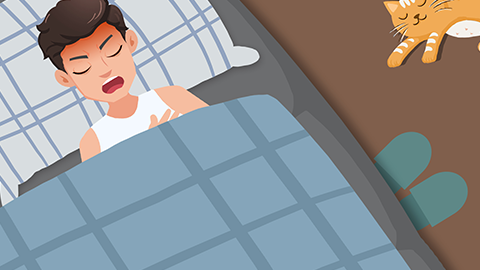
4. **Ensure adequate rest**: Reduce physical activity and prioritize sufficient sleep so the body can direct energy toward managing the immune response. Avoiding fatigue helps prevent worsening of fever and supports proper immune system function.
5. **Monitor symptom changes**: Pay attention to accompanying symptoms such as cough, diarrhea, or significant redness and swelling at the injection site. If symptoms worsen or new discomfort arises, timely further action should be taken.
Avoid strenuous exercise after vaccination. Maintain a light and easily digestible diet, avoid spicy and greasy foods, keep indoor air well-ventilated, and adjust cooling methods according to temperature changes to help the body smoothly pass through the period of immune response.







