


Is Pseudomonas aeruginosa Gram-positive or Gram-negative?
Dec 02, 2025
Source: Cainiu Health

Dr. Li Feng
Introduction
Pseudomonas aeruginosa, also known as *Pseudomonas aeruginosa*, is a Gram-negative bacterium. It has a thin cell wall with low peptidoglycan content and loose cross-linking, appearing red after Gram staining. As an opportunistic pathogen, it is widely distributed in nature and on the mucosal surfaces of the human body. Individuals with weakened immune systems are susceptible to infection, and medical attention should be sought promptly if related symptoms occur. This bacterium is an aerobic rod capable of producing
Pseudomonas aeruginosa, also known as green pus bacillus, is a Gram-negative bacterium. It has a thin cell wall with low peptidoglycan content and loose cross-linking, appearing red after Gram staining. As an opportunistic pathogen, it widely exists in nature and on mucosal surfaces of the human body. Individuals with weakened immunity are susceptible to infection, and medical attention should be sought promptly if related symptoms occur.
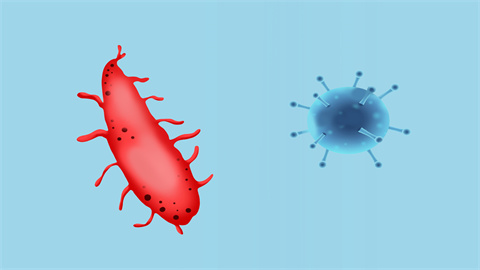
This bacterium is an aerobic rod capable of producing green, water-soluble pigments. Characteristic manifestations such as green pus or sputum are commonly observed following infection. Its virulence factors include endotoxins, exotoxin A, and various proteases, which can easily cause infections in multiple sites including the lungs, urinary tract, and skin. Due to its strong drug resistance, it is a common causative agent of hospital-acquired infections.
Diagnosis requires integration of clinical manifestations and microbiological testing. Treatment should be based on antibiotic sensitivity testing to select appropriate antimicrobial agents. Semi-synthetic penicillins or aminoglycosides are commonly used, and combination therapy may enhance efficacy and reduce the development of resistance.
Provide a clean and comfortable environment, regularly disinfect items that are frequently touched, maintain the patient's skin and mucous membranes clean and dry, supply a high-protein, vitamin-rich diet to strengthen physical condition, strictly adhere to aseptic techniques to prevent cross-infection, and closely monitor changes at the site of infection to timely adjust nursing plans.







