Is molluscum contagiosum a precursor to AIDS?
Dec 02, 2025
Source: Cainiu Health

Dr. Liu Wenmin
Introduction
In general, molluscum contagiosum is not a precursor to AIDS, and most cases are not cause for excessive concern. However, individuals with compromised immune systems who have engaged in high-risk behaviors for HIV should be vigilant if molluscum contagiosum develops. It is important to avoid scratching skin lesions to prevent self-inoculation and spread. Personal towels and clothing should be washed separately and disinfected at high temperatures. Avoid public baths and swimming pools as much as possible.
In general, molluscum contagiosum is not a sign of HIV/AIDS, and most cases are not cause for excessive concern. However, individuals with weakened immune systems and those who have engaged in high-risk behaviors associated with HIV should remain vigilant if molluscum contagiosum develops. Specific details are as follows:
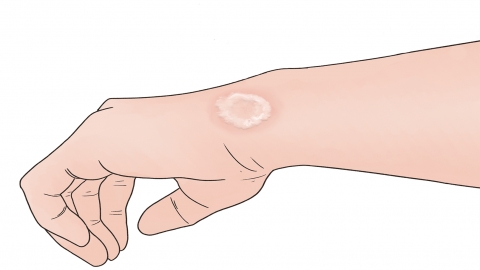
Molluscum contagiosum is usually caused by the poxvirus and spreads through direct skin contact or sharing personal items, commonly affecting children and young adults. It presents as waxy, dome-shaped papules with a central dimple; a cheese-like substance can often be squeezed out. The condition typically resolves completely with treatments such as curettage or cryotherapy and has no direct causal link to HIV/AIDS.
Due to immune deficiency, people living with HIV/AIDS are more susceptible to molluscum contagiosum, which may present with larger and more widespread lesions. If someone has had unprotected sex, shared needles, or other high-risk behaviors, and also experiences recurrent, persistent, or extensive molluscum lesions, timely HIV antibody testing is recommended.
To prevent autoinoculation, avoid scratching the affected areas. Personal towels and clothing should be washed separately and disinfected at high temperatures. Avoid public baths and swimming pools. Wear loose-fitting cotton clothing to minimize friction, keep affected areas clean and dry, and reduce the risk of infection and transmission.