


Can I be reassured if my HIV test is negative after one month?
Dec 02, 2025
Source: Cainiu Health

Dr. Zhang Lu
Introduction
If a fourth-generation HIV test (which detects both antigen and antibody) is used, a negative result at one month can rule out the majority of infections, indicating a significantly reduced risk of infection. However, rare exceptional cases may still occur, such as delayed production of antigens or antibodies after infection. Therefore, although the risk is low, it is still necessary to follow the doctor's advice and undergo retesting after the window period (typically 3 months) for confirmation.
Under normal circumstances, a negative HIV test result at one month can reduce the risk if it is a fourth-generation test; however, if it is a third-generation test, follow-up retesting is still required and complete reassurance cannot be achieved. If in doubt, it is recommended to seek medical advice early. The detailed analysis is as follows:
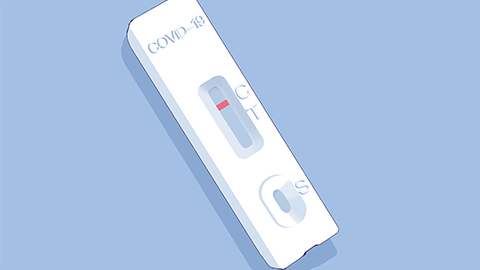
If a fourth-generation HIV test (which detects both antigen and antibody) was used, most infections can be identified at one month, resulting in a high probability of exclusion and significantly reduced infection risk. However, rare exceptional cases may still occur—for example, delayed production of antigens or antibodies—so even with low risk, confirmation through retesting after the window period (typically 3 months) is necessary, as advised by a physician.
If a third-generation HIV test (antibody-only detection) was used, because antibodies take time to develop, one month may still fall within the window period. Some infected individuals may not yet have produced detectable levels of antibodies, meaning a negative result at this stage cannot fully rule out infection. In such cases, retesting after 3 months is required; only a negative result at that point can more reliably exclude HIV infection.
After receiving a negative HIV test result at one month, you should record the type of test performed and inform your doctor. Continue practicing preventive measures and avoid high-risk behaviors. Follow your doctor’s recommendations for timely retesting. Do not become complacent after a single negative result, to ensure accuracy and reliability of the final diagnosis.





