


How long after infection can HIV be detected?
Dec 03, 2025
Source: Cainiu Health

Dr. Liu Wenmin
Introduction
HIV can usually be detected by nucleic acid testing 2–4 weeks after high-risk behavior. The window period for antibody testing is approximately 3–12 weeks, with most people obtaining preliminary test results within 6 weeks. A final diagnosis should be confirmed based on follow-up test results. If symptoms such as persistent fever or rash occur after high-risk behavior, or if there are concerns about test results, it is recommended to seek medical advice promptly.
HIV can typically be detected by nucleic acid testing (NAT) 2–4 weeks after high-risk behavior. The antibody test window period is approximately 3–12 weeks, with most individuals obtaining preliminary results within 6 weeks. Final diagnosis should be confirmed through follow-up testing. If symptoms such as persistent fever or rash occur after high-risk exposure, or if there are concerns about test results, prompt medical consultation is recommended.
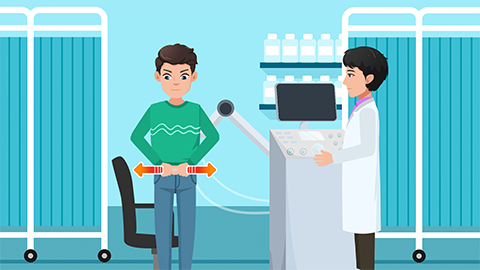
Nucleic acid testing directly detects viral genetic material and has a shorter window period, allowing detection around two weeks after high-risk behavior. This method enables early identification of infection and is suitable for individuals needing rapid confirmation. A positive NAT result requires further diagnostic confirmation.
Antibody testing is a commonly used screening method, including enzyme-linked immunosorbent assay (ELISA). After infection, the body requires time to produce sufficient antibodies. Most people develop detectable antibody levels within 6 weeks, and a negative result at 12 weeks generally rules out infection. Testing too early should be avoided to prevent false-negative results.
Avoid alcohol and stay well-rested before testing to maintain stable physical condition. Do not excessively worry after high-risk behavior; instead, follow recommended testing timelines. After testing, comply with medical advice for retesting, maintain a healthy lifestyle, avoid future high-risk behaviors, and seek professional psychological counseling when necessary.





