


What tests are used to detect HIV/AIDS?
Dec 03, 2025
Source: Cainiu Health

Dr. Liu Wenmin
Introduction
HIV testing requires selecting appropriate methods based on the stage of infection and specific needs. Commonly used testing methods include HIV antibody screening tests, HIV antibody confirmatory tests, HIV nucleic acid testing, viral load testing, and rapid test kits. The choice of testing method should take into account the time since exposure and the specific situation, and testing should be performed as early as possible after high-risk behavior.
HIV testing requires selecting appropriate methods based on the stage of infection and specific needs. Commonly used testing methods include HIV antibody screening tests, HIV antibody confirmatory tests, HIV nucleic acid testing (NAT), viral load testing, and rapid test kits. A detailed analysis is as follows:
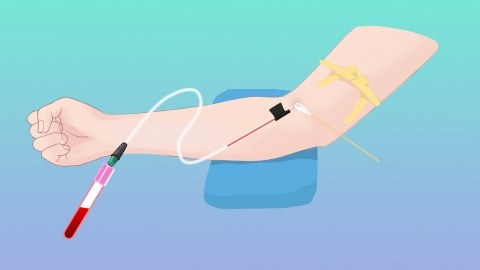
1. HIV Antibody Screening Test: Used as an initial screening method, this test detects antibodies in samples such as blood or oral fluid and is simple and fast to perform. A reactive result suggests possible infection and must be followed by a confirmatory test; a non-reactive result requires retesting after the window period to avoid false negatives due to undetectable antibody levels.
2. HIV Antibody Confirmatory Test: This test verifies positive results from screening tests by detecting specific protein bands using immunoblotting techniques. The presence of bands meeting established criteria confirms a positive result, while absence of specific bands indicates a negative result. In cases with insufficient bands, further evaluation using nucleic acid testing or follow-up retesting is required.
3. HIV Nucleic Acid Testing (NAT): Directly detects viral genetic material, with a window period as short as 1–2 weeks, enabling early detection of infection. A positive qualitative result or quantitative value >5,000 copies/mL (CPs/mL) indicates infection. It is suitable for acute-phase detection, infant diagnosis, and cases with indeterminate screening results.
4. Viral Load Testing: Quantitatively measures the amount of virus in the blood, expressed as copies per milliliter (copies/mL). This test not only helps assess disease progression but also monitors the effectiveness of antiretroviral therapy. When the virus becomes consistently undetectable, the risk of sexual transmission can be reduced to extremely low levels.
5. Rapid Test Kits: Available for use with blood or oral fluid samples, these tests have an accuracy rate exceeding 95% and are suitable for preliminary self-testing. They should be used at least three months after potential exposure, and instructions must be strictly followed during operation. Any abnormal results must be confirmed through laboratory testing at a healthcare facility.
Selection of the appropriate testing method should consider the time since exposure and the specific context. Individuals should seek testing as early as possible after high-risk behavior. Consistent adherence to standardized testing and timely interventions is key to preventing HIV transmission and safeguarding health.







