


Can a three-year-old receive the COVID-19 vaccine?
Dec 03, 2025
Source: Cainiu Health

Dr. Li Feng
Introduction
In general, whether a three-year-old child can receive the COVID-19 vaccine should be determined based on specific circumstances. If there are any concerns, it is recommended to consult a healthcare professional. Regardless of vaccination status, proper health protection for the child should always be maintained. Keep indoor areas well-ventilated, frequently wash the child's hands with running water, ensure the child wears an appropriate mask when going out, and尽量 avoid crowded places with poor ventilation.
Generally, whether a three-year-old child can receive the COVID-19 vaccine depends on specific circumstances. If in doubt, it is recommended to consult a qualified healthcare professional. Detailed analysis is as follows:
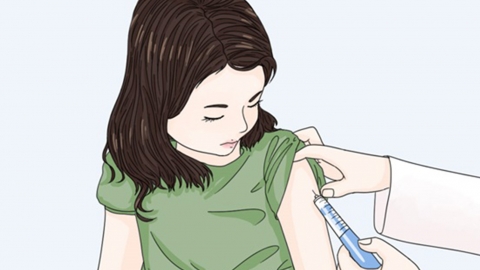
A three-year-old child may receive the COVID-19 vaccine if their health condition is stable, they have no history of allergy to any vaccine component, and they have not experienced acute symptoms such as fever or cough in the past week—provided that a medical professional has evaluated and approved vaccination. Before vaccination, parents should honestly inform the doctor about the child's medical history, including underlying conditions and medication use, to ensure the child is in an appropriate physiological state for vaccination. After vaccination, remain at the site for adequate observation time to confirm there are no adverse reactions before leaving.
If the child is allergic to any component of the COVID-19 vaccine, or is currently experiencing an acute illness—such as high fever due to severe cold or acute gastroenteritis with vomiting and diarrhea—vaccination should be postponed. Children with uncontrolled epilepsy, serious neurological disorders, or other underlying conditions deemed contraindications by a physician should also delay vaccination. Vaccination may be reconsidered only after the condition stabilizes or following reassessment and approval by a doctor.
Regardless of vaccination status, proper health protection measures for children should always be maintained. Keep indoor areas well-ventilated, frequently wash the child’s hands with running water, and wear appropriate masks when going out. Avoid crowded places and areas with poor ventilation whenever possible. Ensure the child gets sufficient sleep and a balanced diet, engage in moderate outdoor activities, strengthen immunity, and reduce the risk of infection.





